

Receiving a thoughtful gift, a career reference, or a seat at a dinner table feels great. Yet many men send a brief text message and call it a day. While a text is quick, it lacks real impact and easily gets lost in a crowded inbox.
Learning how to write a thank you note by hand sets you apart immediately. It shows maturity, effort, and sharp social awareness. Writing a short message on quality paper takes under five minutes, but the positive impression lasts for years.
You do not need poetic language or long paragraphs to pull this off. You only need a structured formula and the right tools. Here is your clear guide to writing meaningful cards for any situation.
Why a Handwritten Note Still Matters Today
Digital messages travel fast, but they carry very little personal weight. A text message takes five seconds to send, meaning the person receiving it knows you spent minimal time on it. A physical card proves you took time out of your day to sit down, focus, and write.
Mastering gentleman thank you card etiquette builds stronger bonds in both your personal and professional life. People remember those who express sincere gratitude. It shows you notice details and value the relationships you build.
Sending a written card also separates you from the crowd in your career. When a hiring manager receives a card after an interview, it highlights your attention to detail. It turns a brief professional interaction into a memorable personal connection.
The Essential Tools for Gentlemanly Correspondence
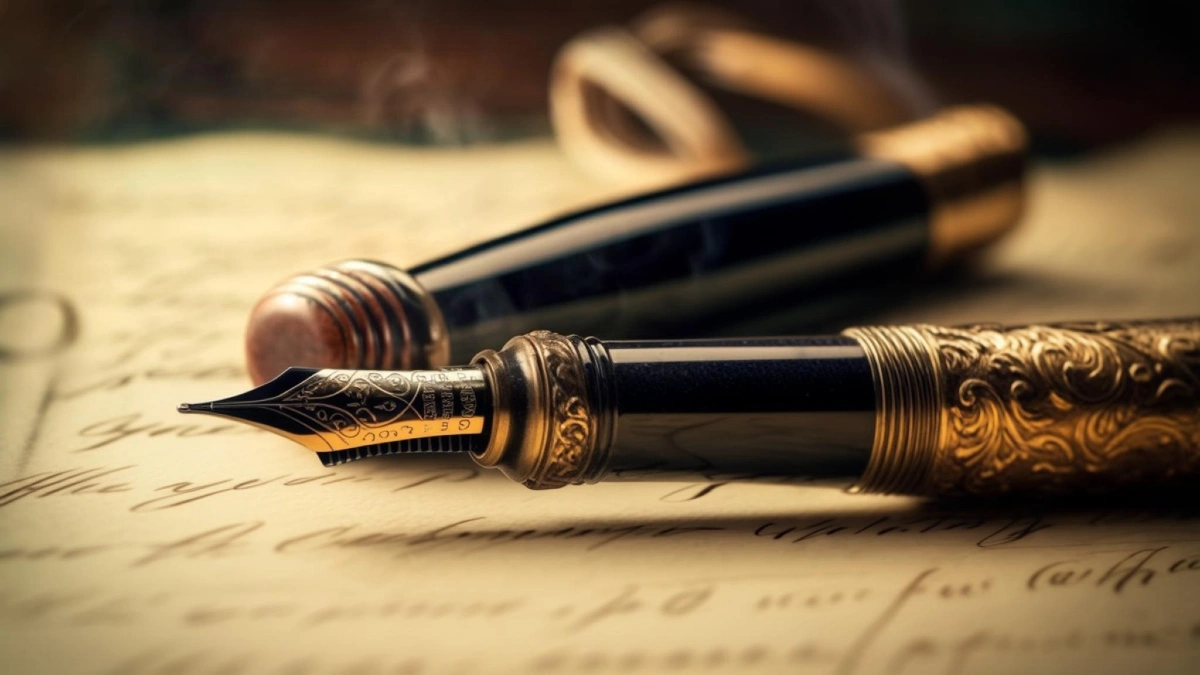
A gentleman does not write important messages on cheap notebook paper with a dying promotional pen. Investing in basic, high-quality supplies ensures your message looks as good as it reads. You only need a few staple items kept in your desk drawer.
Your paper choice makes a big statement before the reader even opens the card. Opt for heavy cardstock that feels sturdy between your fingers. Neutral colors like cream, off-white, or navy accent trim work best for every occasion.
Your pen should glide across the paper without smudging or leaking through the sheet. Dark blue or deep black ink looks clean and professional. Avoid bright colors like red or green for standard correspondence.
Before picking your pen, review this simple breakdown of quality writing supplies to stock in your desk.
| Item Type | Recommended Standard | Why It Matters | Example Brands |
| Paper Quality | Heavy cotton cardstock (100 lb or higher) | Feels premium and prevents ink from bleeding through | Crane & Co., Smythson |
| Card Format | 4×6 inch flat card or folded note | Provides enough space for five sentences without clutter | Moleskine, Dempsey & Carroll |
| Ink Type | Blue or black gel, rollerball, or fountain pen | Writes smooth lines without leaving light or scratchy marks | Lamy, Pilot |
Having the right stationery ready eliminates excuses when you need to send a card quickly. A simple box of heavy cards and a smooth pen will last you through months of events. Store them flat in a dry drawer so the corners stay crisp.
The 5-Step Formula for Every Thank-You Note
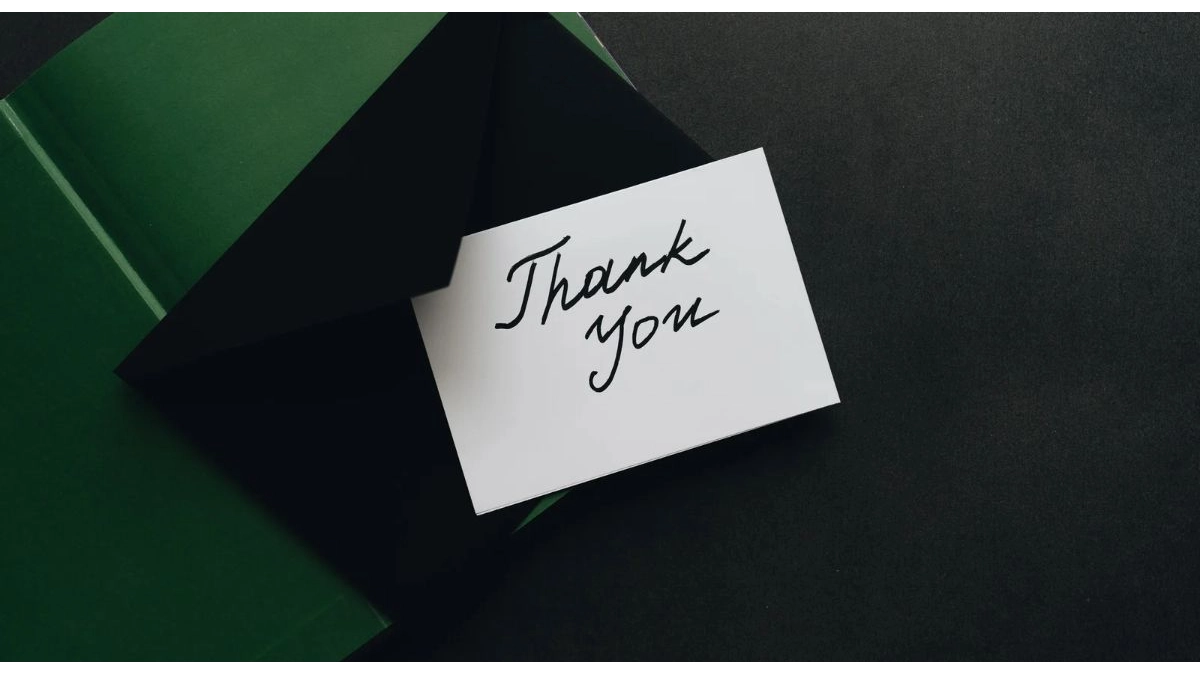
Staring at a blank card can feel intimidating if you do not have a plan. Fortunately, every great card follows the exact same basic layout. Using a standard handwritten thank you note template keeps your thoughts organized and quick to write.
Follow these five simple steps to structure your message effortlessly:
- Open with a direct greeting: Address the person warmly using their proper name.
- State your gratitude clearly: Mention the specific item, favor, or event right away.
- Explain the value: Share how you plan to use the gift or why the gesture helped you.
- Build a future connection: Mention the next time you expect to see or speak with them.
- Close with a solid sign-off: Choose a closing line that fits your relationship level.
The closing sign-off ties the entire message together. Matching your sign-off to your relationship ensures you do not sound overly stiff or overly casual.
The table below outlines common sign-offs and when to use them appropriately.
| Sign-Off Option | Context Level | Relationship Type | Sample Use Case |
| Best regards, / Sincerely, | Formal | Bosses, hiring managers, distant acquaintances | Sending a post interview thank you note |
| Warmly, / With appreciation, | Medium | Family friends, close colleagues, mentors | Thanking a host for a dinner invitation |
| Best, / Cheers, | Casual | Good friends, peers, close relatives | Acknowledging a birthday or casual gift |
Using this formula guarantees you hit every important point without rambling. Keep each section to one or two clear sentences. Your entire note should fit comfortably on a standard flat note card.
Sample Templates for Common Situations
Having ready-to-use examples saves time when you need to write quickly. You can adapt these templates to fit your specific circumstance while maintaining a confident tone.
Acknowledging a Physical Gift
Dear Uncle Robert,
Thank you so much for the leather watch travel case. It will keep my timepieces safe during my upcoming business trips this fall. I really appreciate your thoughtfulness and generosity. Looking forward to catching up at the family dinner next month.
Best,
Marcus
Writing a Post Interview Thank You Note
Dear Ms. Davis,
Thank you for taking the time to speak with me today about the project manager role. I enjoyed learning about your team’s upcoming expansion plans for the spring. I am very excited about the possibility of joining the team and contributing to your goals.
Best regards,
Marcus Vance
Thanking a Host for Hospitality
Dear Arthur and Sarah,
Thank you for hosting us for dinner this past Saturday night. The meal was fantastic, and we truly enjoyed the great conversation. Let’s make sure to get together at our place next month.
Warmly,
Marcus
Common Mistakes to Avoid When Sending Cards
Even with good intentions, simple mistakes can reduce the impact of your message. The most common error is waiting too long to write. Sending a card months after an event makes it feel like a late chore rather than a sincere gesture.
Another mistake is keeping your message too generic. Writing “Thanks for the gift, it was nice” tells the reader nothing. Mentioning the exact item or experience shows you paid attention and genuinely care.
Choosing between a digital message and a paper card comes down to context and timing. Fast-moving corporate settings sometimes require an email, while social favors always demand a card.
Use this simple timing reference to make sure your gratitude arrives on schedule.
| Scenario | Ideal Window | Acceptable Limit | Medium (Physical vs. Email) |
| Job Interview | Within 24 hours | 48 hours | Email first, optional physical card |
| Dinner Party or Weekend Stay | Within 48 hours | 1 week | Physical card |
| Major Gift or Wedding | Within 2 weeks | 1 month | Physical card |
Always check your spelling before bringing pen to paper. A clean card with legible handwriting shows genuine respect for the reader. If your handwriting is messy, simply slow down your pen strokes to keep letters clear.

Author: Brett Calloway
Brett Calloway is the lead writer at MenCraftCo, where he has written the site's outfit guides since mid-2023. He helps men look sharp without overthinking it, with clear outfit formulas, real-life looks for work, weekends and big occasions, and straight advice you can wear the next morning.