

The room heats up fast when a crisis hits. Your boss demands answers, team members start throwing blame around, or a personal emergency hits out of nowhere. Your heart hammers against your ribs. Your voice wants to crack, and your hands feel cold.
When everyone around you loses control, being the steady person in the room changes everything. True mental toughness for men is not about hiding emotions or pretending nothing hurts. It comes down to learning physical tools and mindsets that keep your head clear when stakes are high.
Learning how to stay calm under pressure lets you lead your family, support your team, and make clean choices under stress. Here is how you take back control when everything around you spins out.
Why Your Brain Panics and How to Hack Your Nervous System

Your body is built to react fast to danger. When a high-stakes moment arrives, your brain releases cortisol and adrenaline. Your heart rate spikes, your breathing gets shallow, and your body prepares to fight or run away. This instinct kept early humans alive, but it hurts your ability to think clearly in modern life.
You can override this automatic panic reaction in seconds using your breath. Neurobiologist Andrew Huberman from Stanford University highlights the physiological sigh as the fastest way to slow your heart rate. Take two quick breaths in through your nose, hold for a split second, then take one long exhale out through your mouth. Doing this two or three times slows your heart rate immediately.
Another reliable tool is box breathing, a method used by Navy SEALs to stay steady in tense operations. Inhale through your nose for four seconds, hold your breath for four seconds, exhale through your mouth for four seconds, and hold empty for four seconds. Repeating this cycle resets your nervous system and stops your brain from freezing up.
Quick physical resets buy you time. When your body settles down, your mind gets its decision-making power back.
The table below breaks down common panic reactions and shows how simple stress management techniques can change your response.
| Stress Trigger | Default Panic Response | Tactical Calm Action |
| Bad news on a project | Muscle tension and rapid breathing | Two physiological sighs to drop heart rate |
| Verbal conflict at work | Interrupting with raised voice | Four-second pause before opening your mouth |
| Sudden schedule collapse | Racing thoughts and frantic actions | Box breathing cycle to organize next steps |
Using these physical resets keeps you grounded. Once your breathing settles, you move out of self-defense mode and can look at the actual problem in front of you.
How to Reset Your Mindset Before Making Bad Decisions

Panic happens when your brain sees a tough situation as a threat instead of a challenge. When you view a crisis as a threat, you naturally look for cover or someone to blame. When you treat it as a challenge, your mind looks for answers.
Author Ryan Holiday writes extensively on Stoic principles, focusing on the idea that you cannot control outside events, only your reaction to them. When chaos breaks out, ask yourself one question: What part of this problem can I actually fix right now? Everything else is just noise.
Practice the five-second rule before responding to bad news. Count down silently in your head: five, four, three, two, one. That brief pause cuts off your brain’s emotional impulse to react defensively. It buys you the time needed to evaluate facts instead of reacting out of fear or anger.
Separating facts from emotions is key to keeping cool under stress. Write down or state aloud what is objectively true about your situation. Ignore the emotional chatter from panicking people around you, and focus purely on your next concrete step.
How to Speak with Authority When Everyone Else Is Yelling

When people around you start to panic, their voices get higher and they speak faster. If you join them at that volume, the room gets out of control quickly. A grounded man changes the energy in a room by doing the exact opposite.
Lower the pitch of your voice slightly and cut your speaking speed in half. Speak in clear, shorter sentences. When you slow down your words, your body naturally lowers its tension level, and people around you lean in to listen.
Former FBI crisis negotiator Chris Voss emphasizes active listening during intense conflicts. Instead of arguing back, mirror the other person by repeating the last three words they said back to them as a quiet question. This makes people feel heard without you validating their panic or giving up your own ground.
| Panic Communication | Calming Communication | Intended Result |
| Talking fast at a high pitch | Deep voice at a steady pace | Slows room energy down |
| Blaming someone for an error | Asking for current facts | Shifts focus to practical fixes |
| Interrupting others quickly | Pausing 3 seconds before speaking | Shows complete emotional control |
Switching your speech patterns changes how people view you during a tough situation. You step up as the anchor everyone turns to when things go off the rails.
How to Train Your Stress Baseline Outside of Crises
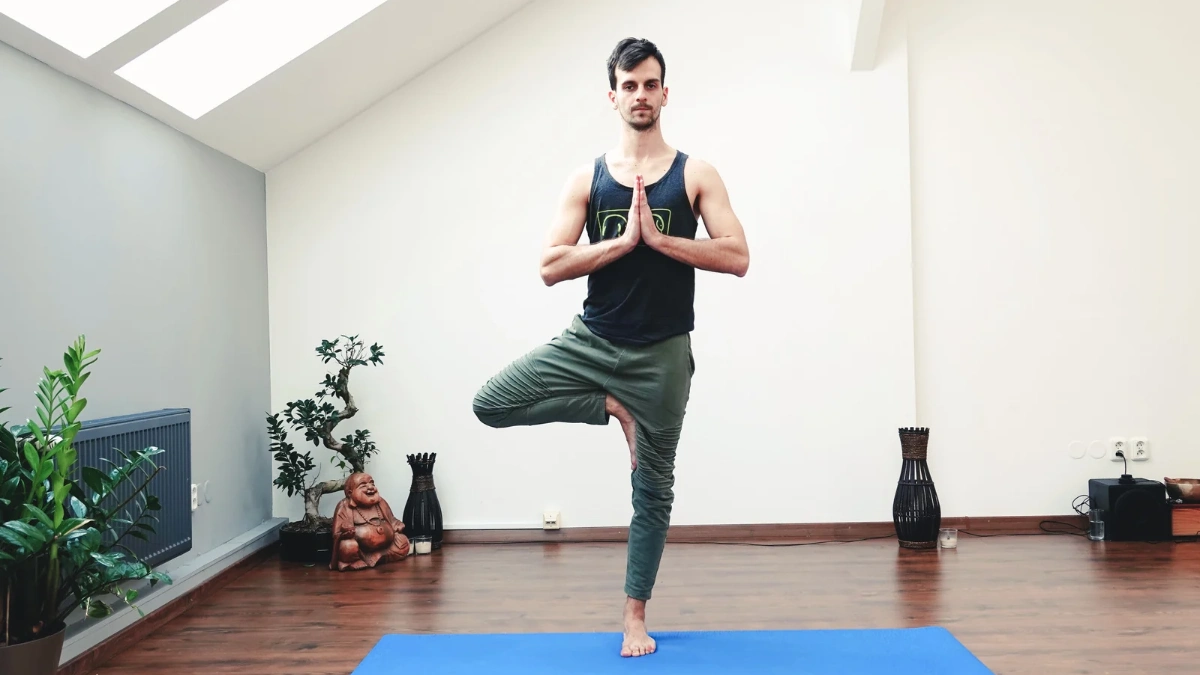
You cannot build composure for the first time while your life is burning down around you. You must build your resilience during quiet times so it is available when real pressure hits.
Cold exposure, heavy strength training, and hard cardio build stress tolerance. Taking a cold shower forces your body to experience a sudden shock, forcing you to use slow breathing to remain steady. Over time, your mind gets comfortable dealing with physical discomfort.
Tracking your recovery helps you understand your body better. Fitness trackers like the Whoop strap or Oura ring measure heart rate variability to show how well your body handles daily stress. When your sleep drops, your emotional control drops with it, making proactive rest vital.
| Daily Practice | Time Required | Primary Psychological Benefit |
| Physiological Sighs | 1 to 2 minutes | Drops acute panic rapidly |
| Cold Showers | 2 to 3 minutes | Builds tolerance to sudden shock |
| Zone 2 Cardio | 30 to 45 minutes | Lowers overall resting heart rate |
| Nightly Trigger Review | 5 minutes | Identifies personal emotional stress triggers |
Building these simple habits into your routine keeps your baseline stress low. You will notice that small problems stop annoying you, and big problems feel far more manageable.
Learning how to stay calm under pressure is not a natural talent reserved for a lucky few. It is a trainable habit built through simple physical resets, smart communication, and clear thinking.
When panic spreads through a room, the man who masters his breath and controls his voice guides the path forward. Pick one physical technique and one communication habit from this guide to put into practice during your next stressful day.

Author: Brett Calloway
Brett Calloway is the lead writer at MenCraftCo, where he has written the site's outfit guides since mid-2023. He helps men look sharp without overthinking it, with clear outfit formulas, real-life looks for work, weekends and big occasions, and straight advice you can wear the next morning.