

Pressure reveals every weakness you try to hide. Your heart races, your hands sweat, and your thoughts turn into loud noise right when you need absolute clarity. Most men assume grit is something you are born with or a switch you flip during a crisis. That belief fails the moment real stress hits your job, your finances, or your relationships.
True resilience is a trained physical and mental skill. You do not rise to the occasion under severe strain. Instead, you fall back on your daily preparation and training habits. Learning to build mental toughness means teaching your mind and body how to stay stable when external conditions go bad.
How to Control Your Physical Stress Response in Seconds

When a high stakes situation blows up, your nervous system acts before your logical brain can speak. Your body dumps cortisol and adrenaline into your bloodstream. This reaction speeds up your heart rate and shortens your breath. You cannot talk yourself out of a physical panic attack using pure willpower. You must use a physical tool to calm your nervous system down.
The fastest way to regain control is through targeted breathwork. Navy SEAL tactical training relies heavily on box breathing to lower stress during intense operations. Box breathing forces your heart rate down and stops the fight or flight response from overwhelming your thinking. Another fast tool is the physiological sigh, researched heavily by neuroscientists at Stanford Medicine. Taking two quick breaths in through your nose followed by a long exhale through your mouth pops open collapsed lung sacs and immediately slows your heart rate.
Using these physical resets keeps your brain grounded. Once your body calms down, you can assess problems with a clear head instead of reacting out of fear. To master mental toughness under pressure, you must learn to govern your lungs first.
Many health experts recommend testing different breathing protocols during low stress moments so they become muscle memory. Here is how the top acute stress techniques stack up when you need to recover fast.
| Technique | Primary Purpose | How to Do It | Best Used For |
| Box Breathing | Equalizes autonomic tone and lowers heart rate | Inhale 4s, hold 4s, exhale 4s, hold 4s | Before hard meetings or presentations |
| Physiological Sigh | Instant drop in nervous system arousal | Two quick nasal inhales, one slow mouth exhale | Sudden spikes of anger or panic |
| Extended Exhale | Activates parasympathetic relaxation mode | Inhale for 4s, exhale slowly for 8s | Winding down after a high stress event |
These three breathwork tools allow you to change your physical state in under two minutes. Practice them while sitting at your desk or sitting in traffic so you do not have to think about the steps when a real crisis happens.
Mastering these physical techniques gives you an immediate defense against sudden stress spikes. However, long term resilience requires you to seek out friction on purpose before life forces it upon you.
Why Voluntary Discomfort Prepares You for Real Life Crisis

Living a completely comfortable life leaves you soft when hard times hit. If you only face difficulty when forced to, an unexpected crisis will feel like an impossible mountain. You build true internal strength by choosing small acts of hard work every day.
Ancient thinkers focused heavily on this idea through core stoic habits for men. Writers at Daily Stoic frequently highlight how ancient leaders like Marcus Aurelius practiced voluntary hardship to stay sharp. Finishing a workout with a cold shower or taking the hard path on purpose reminds your mind that temporary discomfort will not break you.
Doing hard things daily expands your comfort zone. When you push through an intense squat set or step into freezing water, your brain registers that you survived the friction. This builds confidence that carries over directly into high pressure workplace meetings or personal problems.
You do not need crazy challenges to get these benefits. Small daily habits practiced consistently yield massive mental resilience over time.
| Daily Habit | Physical/Mental Focus | Time Needed | Skill Learned |
| Cold Shower Finish | Shock response and breath control | 60 to 90 seconds | Controlling panic under physical discomfort |
| Uncomfortable Reps | Physical fatigue and grit | Extra 2 minutes | Pushing past perceived personal limits |
| Tech Free Solitude | Attention span and mental quiet | 10 to 15 minutes | Sitting with your own thoughts without distraction |
Adding these basic physical challenges into your regular morning or evening routine conditions your brain to stop fearing hard moments. You learn that discomfort is just temporary sensory data rather than an actual emergency.
Training your body to handle physical stress sets the foundation, but you also need a strong mental framework to process tough situations without losing your temper.
How to Reframe Pressure to Keep Your Mind Clear

The way you talk to yourself during a storm determines whether you solve the problem or fall apart. Most panic comes from worrying about things you cannot change. You waste energy getting angry at bad weather, slow traffic, or unfair decisions made by other people.
Stoic philosopher Epictetus taught the Dichotomy of Control, which divides every event into two buckets: what you control and what you do not. You cannot control sudden changes in the market, bad decisions by your boss, or unexpected costs. You only control your preparation, your effort, and your immediate reaction.
When a crisis strikes, strip away the narrative and look strictly at the facts. Do not ask why something bad happened to you. Ask what actionable step you can take right now to fix it. This habit cuts out emotional noise and focuses your mind entirely on solutions.
Learning to separate your internal response from external chaos takes daily practice. You can use a simple assessment framework whenever you feel overwhelmed by outside events.
| Situation Variable | Within Your Control? | Immediate Action Step |
| Project Deadlines | Partial | Focus entirely on your specific deliverables |
| Colleague Reactions | No | Maintain your composure and state clear facts |
| Personal Preparation | Yes | Double check your work and plan next steps |
Applying this basic breakdown clears away useless worry. You stop burning energy on external factors and put all your drive into what you can actually change.
Even the strongest mind will break if the body is constantly exhausted. Maintaining peak focus requires treating recovery as a serious priority rather than an afterthought.
How Sleep and Recovery Keep Your Mental Toughness High

Many men mistake exhaustion for commitment. They cut their sleep down to five hours, abuse caffeine, and then wonder why they lose their temper when pressure spikes. Being chronically tired weakens your emotional control and makes simple problems feel huge.
Mental strength depends directly on brain health and proper rest. Fitness tracking brands like WHOOP and Oura show clear data connecting poor sleep quality to high stress scores and low resilience. When you are under rested, your brain struggles to regulate emotions, making you far more likely to snap under strain.
To build mental toughness that lasts, treat rest like professional training. Keep a consistent sleep schedule and turn off bright screens an hour before bed. Give your mind room to reset through low intensity walking or quiet time away from your phone.
Proper recovery ensures your nervous system returns to a stable baseline every night. A rested mind spots solutions quickly, while an exhausted brain sees problems everywhere.
Real Resilience Comes From Daily Practice
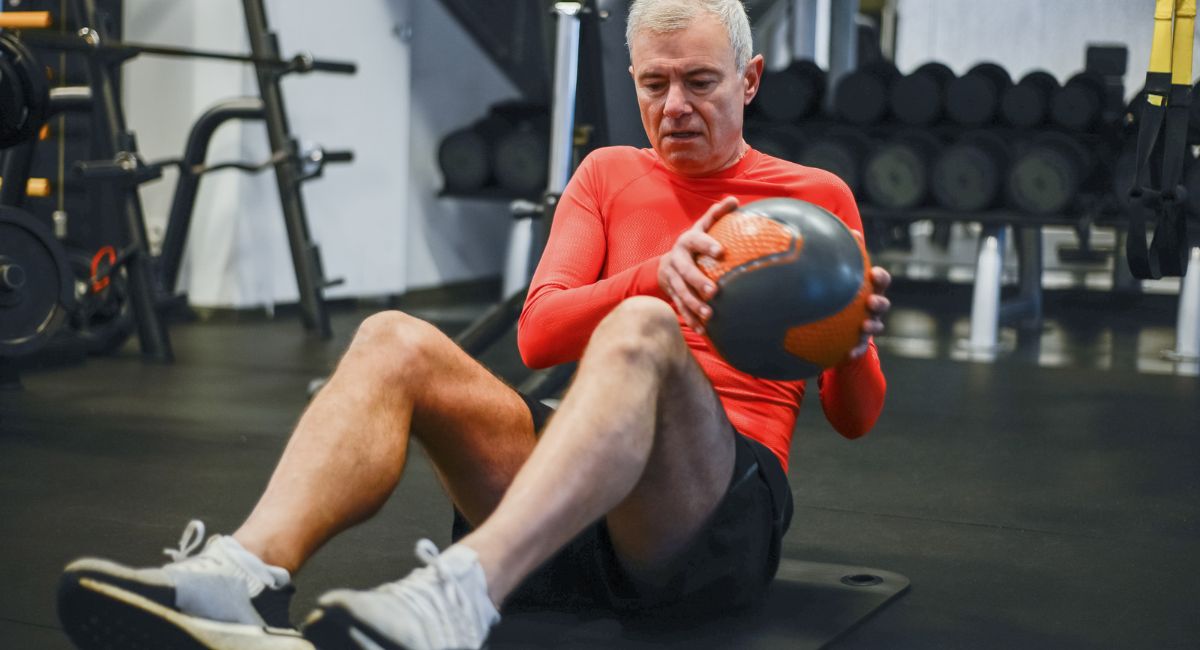
Staying calm under fire is not a lucky genetic trait. It is the direct result of how you train your body and mind when things are quiet. Controlling your breath during sudden stress, choosing small discomforts every day, and focusing only on what you control builds a strong mental armor.
Pick one single habit to start today. Take a quick cold shower tomorrow morning, or use box breathing before your next big meeting. Put in the daily work now so that when real pressure hits, you stand firm and execute.

Author: Brett Calloway
Brett Calloway is the lead writer at MenCraftCo, where he has written the site's outfit guides since mid-2023. He helps men look sharp without overthinking it, with clear outfit formulas, real-life looks for work, weekends and big occasions, and straight advice you can wear the next morning.