

A closet full of decent clothes can still produce bad outfits when the sheer number of choices drains your energy before 8:00 AM. When you have to constantly debate proportions, fabric weights, and which shoes match your trousers, decision fatigue quickly sets in.
This daily friction creates a dopamine crash. Instead of feeling sharp, you feel overwhelmed, your discipline evaporates, and you default to the same tired hoodie and worn-out sneakers.
The secret to making discipline feel easier isn’t forcing yourself to try harder. It’s about building a system of men’s wardrobe essentials that work together naturally. By creating a low-friction closet based on reliable fits and proven outfit formulas, you can reset your daily habits and make dressing well the easiest choice you make all day.
An Overcrowded Closet Creates Decision Fatigue
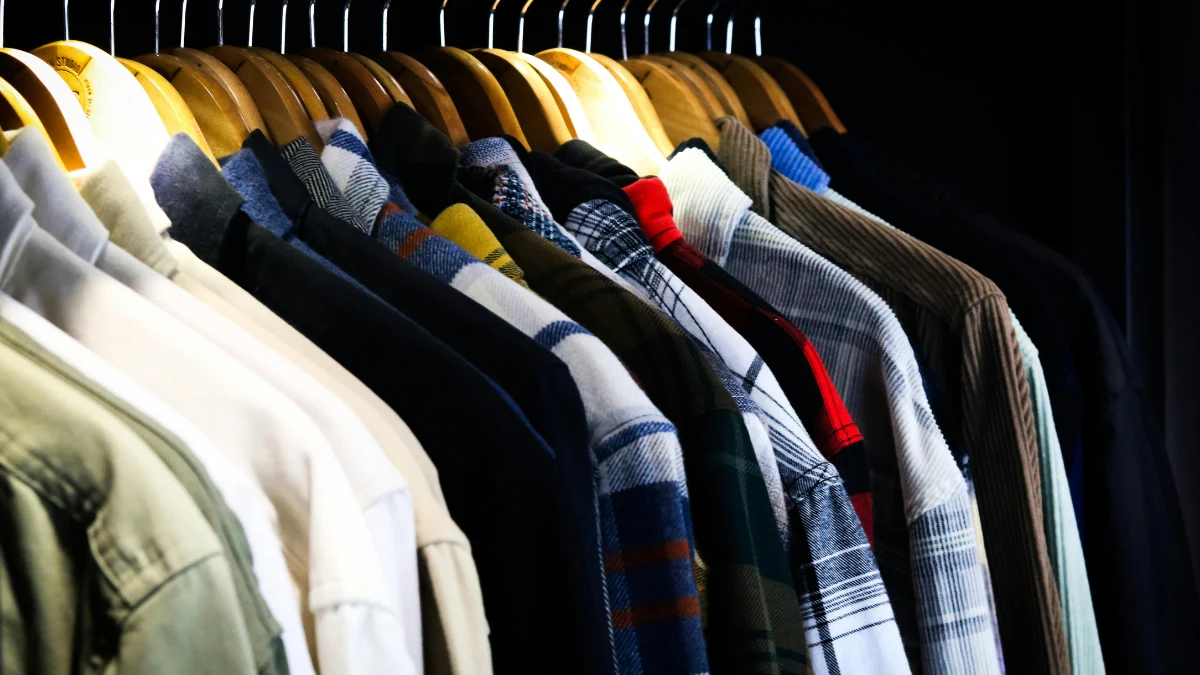
Most men do not struggle with style because they lack clothing. They struggle because their wardrobes are packed with orphaned items that do not play well together. When your closet is chaotic, getting dressed requires too much mental bandwidth.
You try on a shirt, but it pulls at the shoulders. You grab a pair of jeans, but they bunch awkwardly over your sneakers. By the third attempt, your brain seeks the path of least resistance, and you abandon the effort entirely.
Building style discipline requires you to eliminate this friction. A wardrobe should function like a well-organized toolbox. When everything you own fits your body and matches your lifestyle, you no longer have to rely on willpower to look put together.
Here is how you shift from a chaotic closet to a disciplined system that works for you.
| Old Style Habit | Better Wardrobe Approach |
| Buying random items on sale | Investing in pieces that complete an existing outfit |
| Keeping clothes that almost fit | Donating anything that requires constant adjusting |
| Relying on bold “statement pieces” | Building a foundation of versatile neutral colors |
A Personal Uniform Built on Neutral Colors Eliminates Guesswork

The most effective dopamine reset for your wardrobe is establishing a personal uniform. This does not mean wearing the exact same outfit every single day. It means finding a specific silhouette and color palette that you know looks great, and buying variations of it.
If your daily life involves office days, commuting, and weekend errands, a reliable uniform bridges the gap between those environments. When you build a foundation of navy, olive, grey, white, and charcoal, nearly every piece in your closet will work with the others.
This removes the mental tax of color matching. You can pull a navy unstructured blazer, a grey T-shirt, and olive chinos out of the dark and know the combination looks intentional.
Color note: If you want to introduce bolder colors, do it with layers you can easily remove, such as a burnt orange beanie or a textured overshirt, keeping your base uniform grounded in neutrals.
Mid-Rise Trousers and Proper Shoulder Seams Do the Heavy Lifting

Discipline falls apart when your clothes are physically uncomfortable or require constant adjusting. If you have to tug at your shirt collar or pull up your trousers every time you sit down, you will eventually stop wearing those items.
Getting the fit right is the ultimate styling shortcut. When the proportions work, even a simple T-shirt and jeans combination looks sharp. The two most critical areas to lock down are the trouser rise and the jacket or shirt shoulder.
A mid-rise trouser sits naturally near your hip bones, elongating the leg line and preventing your shirt from coming untucked when you reach for something. Similarly, a shoulder seam that sits exactly at the edge of your natural shoulder ensures the garment drapes cleanly down your torso.
When you know exactly how these areas should fit, shopping becomes a faster, more disciplined process.
Understanding how your clothes should actually sit on your frame changes how you shop.
| Garment Area | What to Look For | Why It Works |
| Trouser Rise | Waistband rests just below the navel, above the hips | Elongates the legs and keeps shirts securely tucked in |
| Shoulder Seam | Seam ends exactly where the shoulder curves into the arm | Prevents the fabric from buckling across the chest or sagging |
| Trouser Hem | A slight rest against the top of the shoe (a slight break) | Keeps the leg line clean without excess fabric pooling at the ankles |
High-Friction Statement Pieces Destroy Wardrobe Discipline
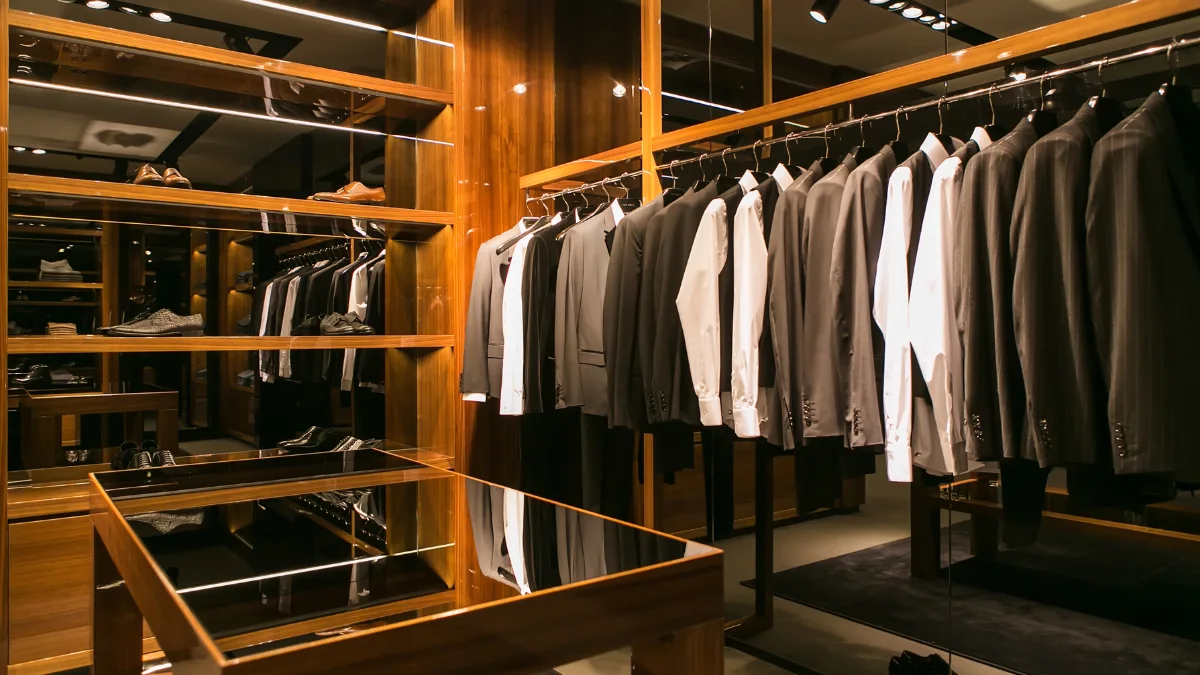
A major reason men abandon their style goals is the over-accumulation of high-maintenance clothing. If a garment requires special dry cleaning, only works with one specific pair of shoes, or demands a highly specific weather condition, it is a high-friction piece.
These items drain your decision-making energy. You look at them in your closet, realize the hassle involved in wearing them, and skip over them. Over time, they simply take up space.
To reset your wardrobe habits, focus on versatile fabrics. Heavyweight cotton, merino wool, and durable denim hold their shape, resist wrinkles, and look better the more you wear them.
Fabric note: Merino wool is naturally odor-resistant and regulates temperature. A fine-gauge merino crewneck sweater can be worn over a T-shirt on the weekend or under a tailored jacket for a dinner date, maximizing its usefulness.
Reliable Outfit Formulas That Work on Autopilot

The easiest way to make how to dress better for men feel natural is to memorize a few reliable outfit formulas. When you know exactly which categories of clothing combine well, you do not have to invent a new look every morning.
Formulas give you a structured framework. You can swap the individual pieces based on the weather or the formality of the occasion, but the underlying architecture remains the same.
This is how you build a smart casual wardrobe that functions on autopilot.
Having three or four reliable formulas in your rotation removes the stress of getting dressed for different occasions.
| Occasion | Pieces | Why It Works |
| Smart Casual Office | Oxford shirt + mid-rise chinos + unstructured jacket + suede loafers | Balances professional structure with relaxed, comfortable fabrics |
| Weekend Errands | Heavyweight T-shirt + straight-leg jeans + overshirt + clean leather sneakers | Uses layering to add visual interest to standard casual basics |
| Cold Weather Dinner | Fine-gauge merino crewneck + wool trousers + tailored topcoat + leather boots | Combines warmth with clean, dressier textures that do not look bulky |
Frequently Asked Questions

How do I stick to a personal uniform without looking boring?
A personal uniform provides a structural foundation, not a strict rulebook. You avoid looking boring by mixing textures—like pairing a smooth poplin shirt with a rugged suede jacket—rather than relying on loud patterns or constantly changing your entire silhouette.
Does a capsule wardrobe actually save time in the morning?
Yes. By severely limiting the number of items you own to pieces that all complement each other, you eliminate the possibility of making a bad combination. Fewer choices mean a faster, more confident start to your day.
What shoes work best for an everyday style uniform?
A clean, minimal leather sneaker and a suede loafer or chukka boot will cover almost every daily scenario. They bridge the gap between casual denim and dressier chinos without looking overly formal or too athletic.
How often should I edit my closet to maintain discipline?
Aim for a brutal, honest review twice a year during seasonal transitions. If you have not worn a piece in the last six months because it fits poorly or is difficult to style, remove it so it stops draining your daily decision-making energy.
Conclusion
Building style discipline is not about punishing yourself or rigidly following runway trends. It is about actively removing the friction that makes getting dressed feel difficult.
When you focus on correct proportions, versatile fabrics, and a coherent color palette, looking sharp becomes an automatic reflex rather than a daily struggle. Start by pulling out three outfits you already know fit well, memorize the formulas behind them, and use that logic to rebuild your morning routine.

Author: Brett Calloway
Brett Calloway is the lead writer at MenCraftCo, where he has written the site's outfit guides since mid-2023. He helps men look sharp without overthinking it, with clear outfit formulas, real-life looks for work, weekends and big occasions, and straight advice you can wear the next morning.