
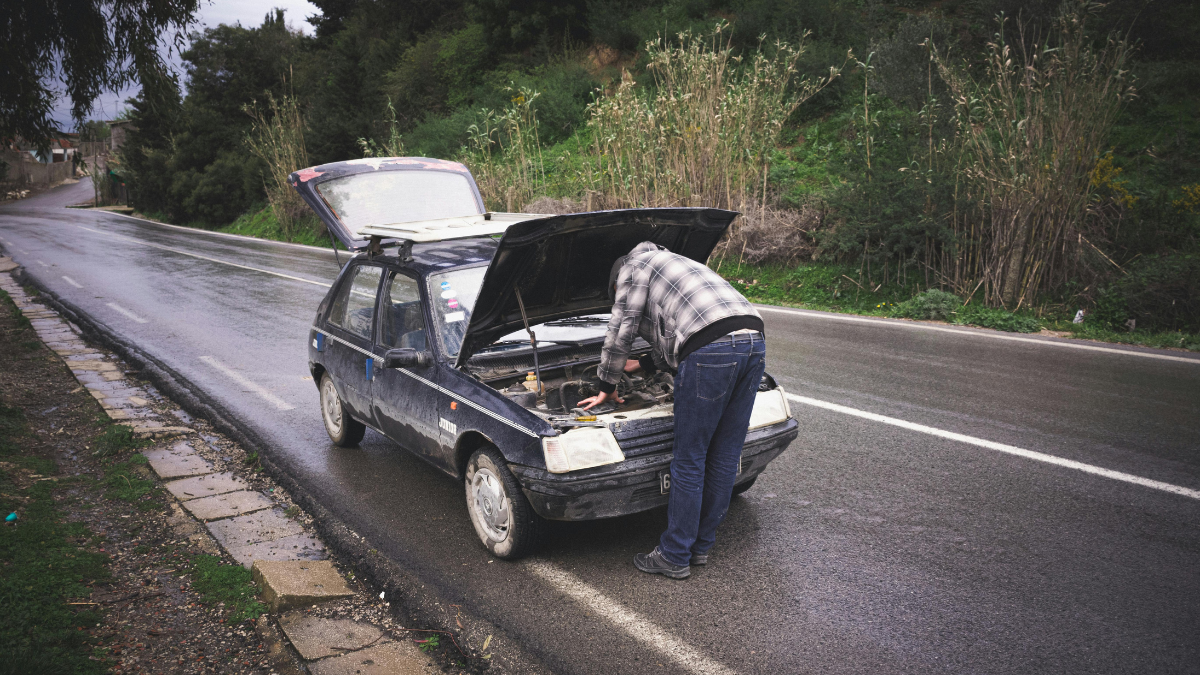
Picture standing on the shoulder of a busy highway at night. Your rear tire is flat, rain is pouring down, and your phone battery shows two percent.
Calling for a tow truck might mean waiting two hours in the cold. Knowing essential car skills every man should know changes everything in that moment. You do not need to be a professional mechanic to stay safe on the road.
Modern vehicles are reliable, but mechanical parts wear out over time. Relying on roadside assistance apps for tiny fixes drains your wallet and wastes your evening.
Building basic self-reliance keeps you calm, protects your passenger, and gets you moving again fast. Here is how to master the fundamental car skills every driver needs before trouble strikes.
How to Change a Flat Tire Safely Under Pressure
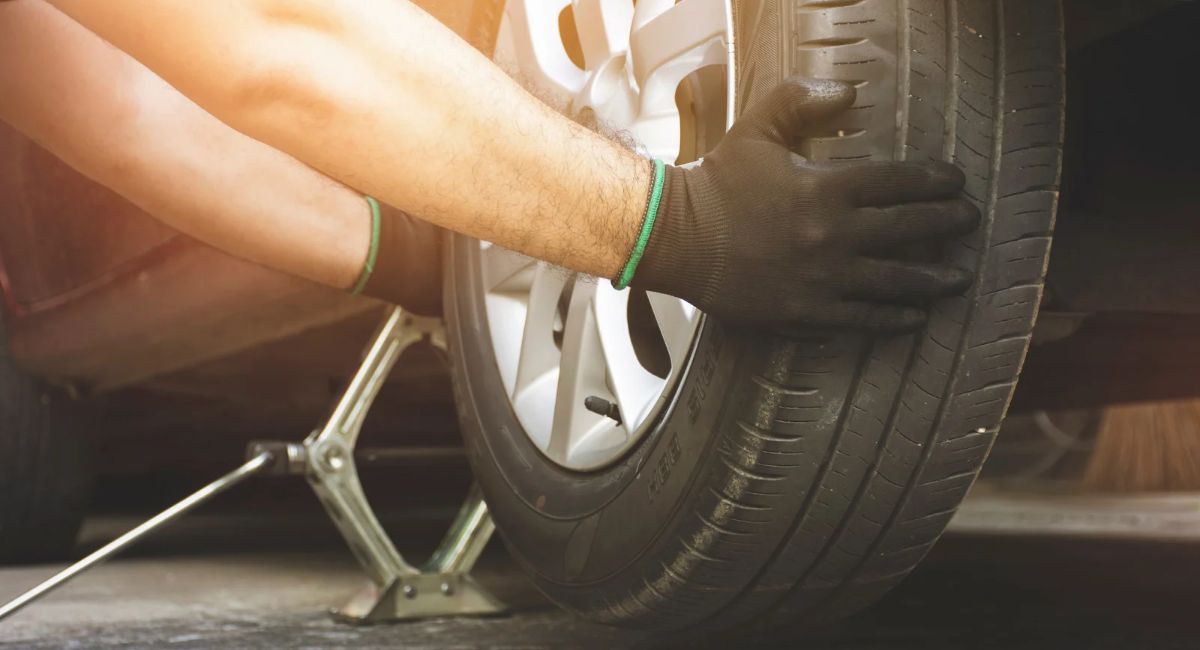
A sudden tire blowout instantly turns a smooth commute into a stressful situation. Knowing how to change a flat tire safely turns an emergency into a fifteen-minute pit stop.
First, pull your vehicle onto flat, solid ground away from moving traffic. Turn on your hazard lights immediately and set the parking brake. Place heavy rocks or wheel chocks behind the tires on the opposite side of the flat to keep the vehicle stable.
Loosen the lug nuts on the damaged wheel while the car is still on the ground. Use your lug wrench to turn each nut counterclockwise one full turn. Do not remove them completely yet.
Find the designated jack point underneath your vehicle frame. Your owner’s manual shows these exact metal notch areas, known as pinch welds. Position your scissor jack underneath the frame notch and raise the car until the flat tire sits two inches off the asphalt.
Remove the lug nuts entirely and slide the flat wheel off the hub. Lift your spare tire onto the wheel studs and hand-tighten the lug nuts in a crisscross pattern. Lower the vehicle back down until the tire touches the ground, then tighten the lug nuts firmly with your wrench.
Proper inflation keeps your spare functional when you need it most. You should check your spare tire pressure twice a year alongside your active set.
The table below breaks down key tire checks to help you spot wear before a blowout happens.
| Metric | Target Standard | Risk Signal |
| Cold Tire Pressure (PSI) | Matches door jamb sticker | Under 28 PSI or over 40 PSI |
| Tread Depth | 6/32 inch or deeper | 2/32 inch or bare wear bars |
| Spare Tire Condition | 60 PSI for compact spares | Soft rubber or cracked sidewalls |
Maintaining correct pressure maximizes your gas mileage and extends tire life. Always replace temporary donut spares as soon as you reach a tire repair shop.
How to Jump Start a Dead Battery Without Damaging Electronics
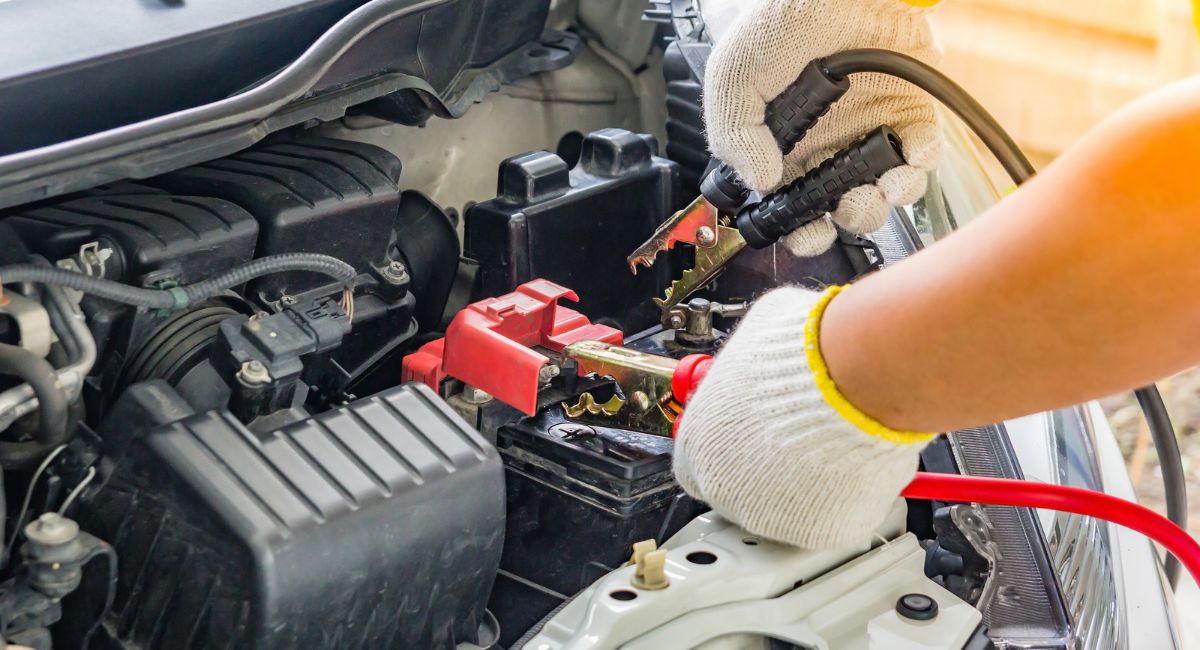
A dead battery is one of the most common causes of roadside breakdowns. Learning to use jumper cables correctly protects your engine computer from costly electrical surges.
Park the helper vehicle nose-to-nose with your car, but make sure the metal bumpers do not touch. Turn off the ignition, air conditioning, and headlights on both vehicles. Pop both hoods and locate the battery terminals.
Identify the positive terminal with a plus sign and red cover, and the negative terminal with a minus sign. Connect one red clamp to the positive terminal of your dead battery. Attach the opposite red clamp to the positive terminal of the donor battery.
Connect one black clamp to the negative terminal of the donor battery. Do not attach the final black clamp to your dead battery’s negative post. Fasten it to an unpainted metal bracket on your engine block instead to prevent sparks near flammable battery gases.
Start the helper car’s engine and let it run at idle for three minutes. Try starting your vehicle. Once your engine fires up, remove the jumper cables in the exact reverse order.
Leave your car running for at least twenty minutes so the alternator recharges the battery. Portable lithium-ion jump packs from brands like NOCO offer a great alternative if no other driver is around to help.
How to Check and Top Off Essential Fluids
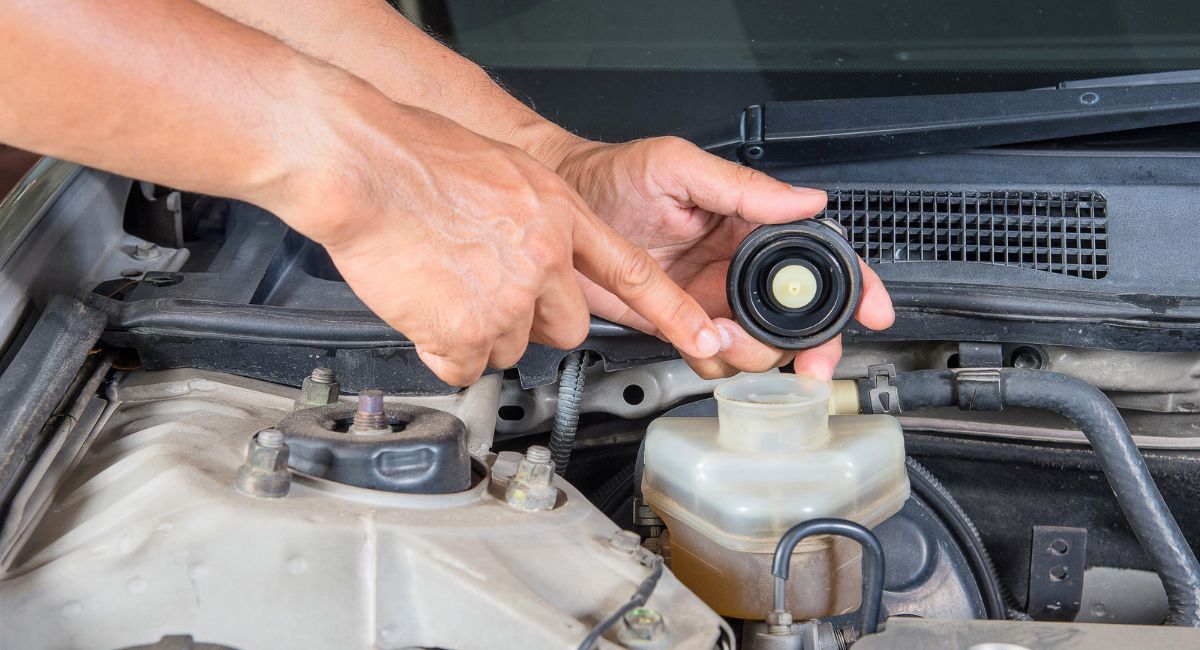
Engine fluids act as the internal protective system for your vehicle. Learning these basic car maintenance skills prevents major engine overheating and transmission damage.
Park on a level surface and shut off the engine for ten minutes. Pull out the engine oil dipstick, wipe it clean with a rag, reinsert it fully, and pull it out again. The oil level should fall right between the two indicator marks.
If the oil level sits below the lower mark, add half a quart of the exact motor oil weight listed on your oil cap. Brands like Mobil 1 offer synthetic blends designed for modern engine protection.
Check your engine coolant reservoir next. Never open a hot radiator cap, as pressurized steam can cause severe burns. Look through the clear plastic coolant tank to verify the fluid level sits between the minimum and maximum lines.
Inspect your brake fluid reservoir on the driver side of the engine bay. Low brake fluid indicates worn brake pads or a hydraulic leak. Finally, keep your windshield washer fluid topped off with a bug-clearing solution like Rain-X.
The chart below outlines inspection schedules recommended by experts at Valvoline.
| Fluid Type | Inspection Interval | Color Sign of Degradation |
| Engine Oil | Monthly or every fuel fill-up | Dark, gritty, or milky brown |
| Engine Coolant | Every 6 months | Rusty brown or cloudy murky green |
| Brake Fluid | Annually | Dark brown or dirty black |
| Washer Fluid | Monthly | Clear water or empty reservoir |
Checking your fluids regularly takes less than five minutes. Catching low levels early saves thousands on internal engine repairs down the road.
How to Replace Worn Wiper Blades in Five Minutes
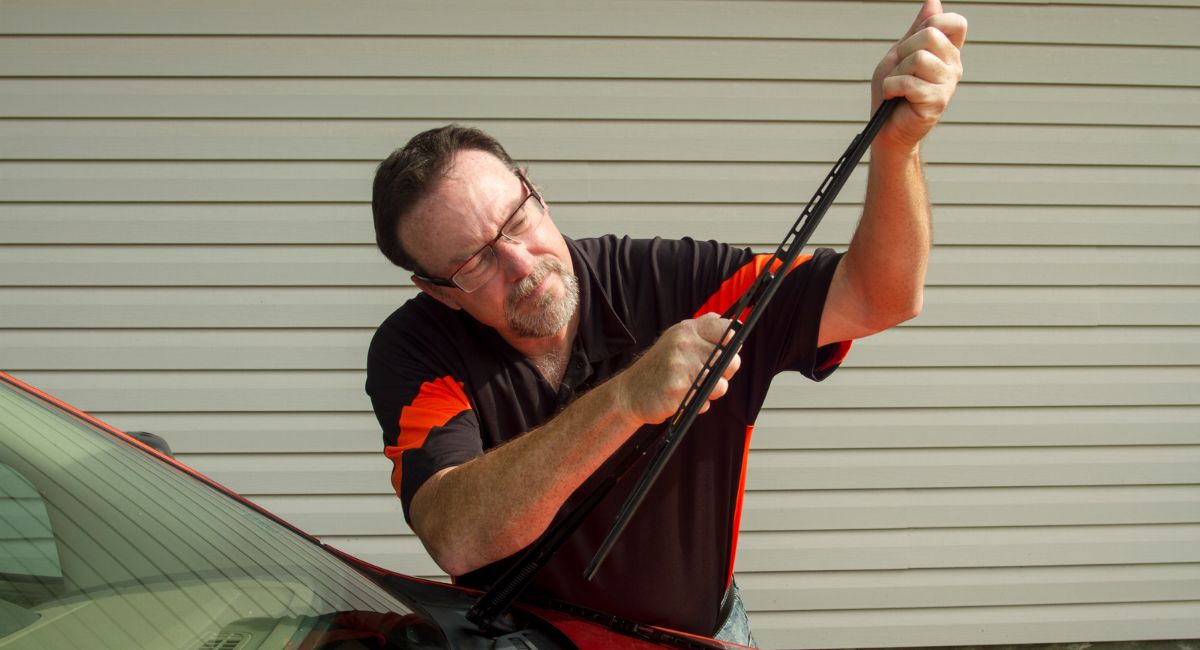
Streaky windshield wipers lower your visibility during heavy summer storms and winter snowfalls. Replacing them yourself takes minutes and requires zero tools.
Lift the wiper arm away from the glass until it locks into a vertical position. Fold a heavy bath towel and place it across the glass underneath the metal arm. This towel protects your windshield from cracking if the bare metal arm snaps back down accidentally.
Locate the small locking tab on the underside of the wiper blade frame. Press the tab in with your thumb and slide the old blade down to unhook it from the metal J-hook arm.
Slide your new wiper blade, such as a Bosch Icon blade, onto the metal hook until you hear a sharp click. Gently lower the arm back down onto the glass towel.
Test the new blades immediately using your washer fluid spray. Fresh wiper blades should clear the glass cleanly without chatter or water streaks.
How to Read an OBD2 Scanner Code
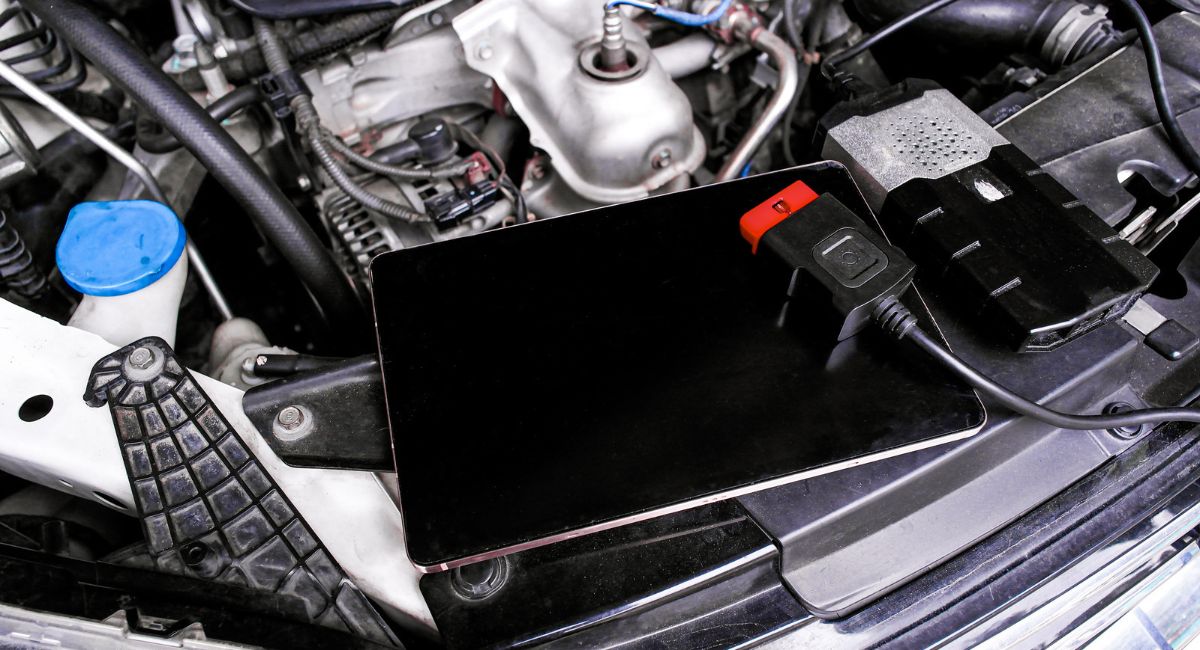
A glowing check engine light causes instant stress for most drivers. An On-Board Diagnostics (OBD2) scanner gives you clear answers before you visit a repair shop.
Locate the 16-pin OBD2 diagnostic port underneath the driver side dashboard. Plug your diagnostic scanner, such as an Innova or FIXD code reader, directly into the socket. Turn your car key to the accessory run position without starting the engine.
The scanner reads diagnostic trouble codes stored in your car’s computer. These five-digit codes start with a letter followed by four numbers. Write down the code and search it online to identify the specific faulty sensor or valve.
Understanding these codes keeps auto mechanics honest and helps you budget for necessary repairs. It also lets you fix simple issues like a loose gas cap yourself.
Use this reference table to categorize engine scanner alerts quickly.
| Code Prefix | System Category | Common Real-World Cause |
| P-Codes | Powertrain System | Engine misfires, O2 sensor failures |
| B-Codes | Body System | Airbag faults, climate control errors |
| C-Codes | Chassis System | Anti-lock brake (ABS) sensor failure |
| U-Codes | Network Communication | Wiring harness or module signal loss |
Scanning your own error codes prevents panic when an engine light pops up on long drives. You can decide if the issue requires an immediate stop or a simple home fix.
Essential Emergency Roadside Gear Every Driver Must Pack

Self-reliance requires having the right tools stocked inside your trunk. A organized kit turns dangerous roadside situations into manageable delays.
Pack a dedicated water-resistant storage bag to keep gear organized and prevent items from rattling across your trunk floor. Store a bright LED headlamp so you can work hands-free in the dark. Include heavy mechanic work gloves to protect your hands from sharp metal edges and hot engine blocks.
Add reflective warning triangles to alert oncoming drivers when your vehicle stops on the shoulder. Keep a digital tire gauge, a roll of duct tape, zip ties, and a multi-bit screwdriver ready for quick fixes.
A well-stocked kit gives you peace of mind wherever you drive. Check battery levels on your flashlights and jump packs twice every year.
This emergency gear table lists essential items recommended by safety organizations like AAA.
| Emergency Tool | Primary Purpose | Maintenance Audit Frequency |
| Portable Jump Starter | Starts dead batteries without donor car | Recharge every 3 months |
| Digital Tire Gauge | Checks tire inflation accurately | Swap batteries annually |
| LED Triangles & Lamp | Warning passing traffic on dark roads | Test batteries every 6 months |
| Mechanic Work Gloves | Protects skin from heat and grease | Inspect for tears after use |
Review your emergency kit contents at the start of every winter and summer season. Replacing expired supplies ensures your equipment works flawlessly when you need help.
Mastering Roadside Confidence

Learning essential car skills every man should know builds practical confidence behind the wheel. Handling a flat tire, jump-starting a dead battery, and topping off fluids protects your bank account and keeps your passengers safe.
These easy roadside emergency tips ensure a breakdown does not ruin your day. Pop your hood this weekend, inspect your emergency trunk gear, and take control of your vehicle maintenance today.

Author: Brett Calloway
Brett Calloway is the lead writer at MenCraftCo, where he has written the site's outfit guides since mid-2023. He helps men look sharp without overthinking it, with clear outfit formulas, real-life looks for work, weekends and big occasions, and straight advice you can wear the next morning.