

You land in a new city at midnight, check into your hotel, and feel your lower back tighten up from three hours in a middle seat. The next morning starts with stale lobby coffee, back-to-back meetings, and a heavy client dinner where everyone orders steak and drinks. By the time you fly home on Friday, you feel bloated, tired, and weaker than when you left.
Learning how to stay fit when you travel for work does not require living like a monk or finding a massive gym in every city. Most guys fail on the road because they try to follow their normal home routine in a totally different environment. When that plan breaks, they give up until Monday.
You can keep your strength, energy, and waistline steady with a simpler system. In this guide, you will learn how to pack light gear, train fast in tiny rooms, order smart at restaurants, and protect your sleep on busy business trips.
How to Pack Fitness Gear Without Checking a Bag
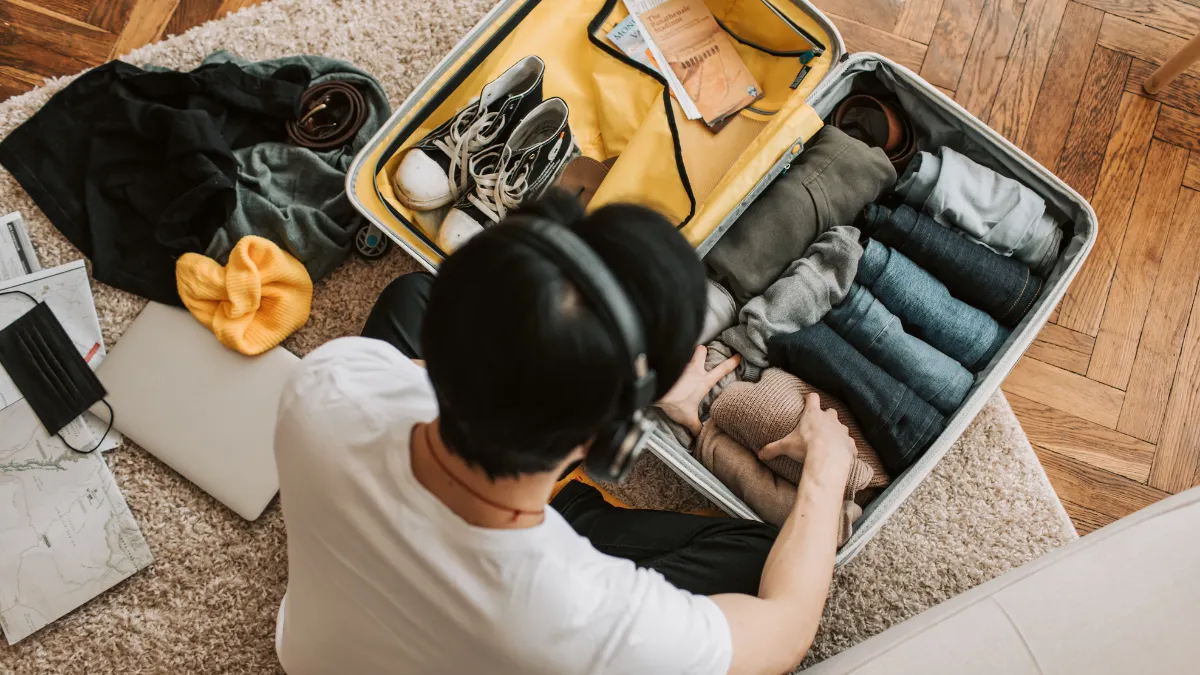
If your workout gear takes up half your suitcase, you will leave it at home. Checking a bag wastes time at baggage claim, and heavy equipment rarely gets used after a long workday. Smart packing fitness gear for travel means choosing lightweight tools that fit into the corners of a standard carry-on bag.
Look for items that weigh less than two pounds and require zero setup time. A good pair of athletic shoes is your most important item, so wear them on the plane or pack a sleek pair like Nike Metcon or On Cloud shoes that look decent with casual travel clothes. Everything else should slide easily into a laptop sleeve or shoe pocket.
Before you zip up your suitcase, compare these four compact options to see which tools match your favorite training style.
| Gear Item | Bag Space Needed | Best Use Case |
| Loop resistance bands | Fits inside a shoe | Upper body pulls and warm-ups |
| Suspension trainer | Size of a small water bottle | Full body strength using a door |
| Speed jump rope | Fits in a side pocket | Fast cardio in empty spaces |
| Cross-training shoes | Worn on the plane | Lifting, walking, and hotel cardio |
Choosing just one or two of these items keeps your bag light while giving you plenty of workout options. Brands like Rogue Fitness make durable loop bands that add serious resistance without adding weight. If you prefer bodyweight training, a TRX suspension trainer anchors over any sturdy hotel door in seconds.
How to Crush a 20 Minute Hotel Room Workout

Many hotel gyms have one broken treadmill and a rack of dumbbells that stop at 25 pounds. Instead of wasting 20 minutes walking around looking for equipment, do a focused session right next to your bed. A hard 20 minute hotel room workout without equipment beats skipping your training completely.
The American College of Sports Medicine notes that vigorous, short bursts of exercise help maintain cardiovascular health and muscle mass when time is tight. You keep the intensity high by resting only 30 to 45 seconds between exercises. This approach spikes your heart rate and challenges your muscles without needing heavy iron.
Run through the four exercises below as a circuit, resting one minute after completing all four moves, and repeat the circuit four times.
| Exercise | Target Muscles | Sets and Reps |
| Feet-elevated push-ups | Chest, shoulders, triceps | 4 sets of 12 to 20 reps |
| Bulgarian split squats | Quads, glutes, hamstrings | 4 sets of 10 reps per leg |
| Band pull-aparts | Upper back, rear shoulders | 4 sets of 15 to 20 reps |
| Plank shoulder taps | Core, abs, stabilizers | 4 sets of 20 total taps |
Using the edge of the hotel bed or a sturdy chair for elevated push-ups and split squats increases the difficulty right away. Focus on slow, controlled lowering phases so your muscles work harder on every rep. You will finish sweating in 20 minutes and still have plenty of time to shower before your first meeting.
What to Eat at Airports and Client Dinners

Nutrition is where most men lose the battle on the road. Airports push sugary pastries and fried fast food, while expense accounts make it easy to overeat at steakhouses. Successful healthy eating on business trips comes down to two simple rules: prioritize lean protein and control liquid calories.
The Harvard T.H. Chan School of Public Health recommends filling half your plate with vegetables and a quarter with lean protein at main meals. You can follow this rule almost anywhere if you customize your order. Ask restaurants to swap fries for steamed broccoli or a side salad, and request sauces on the side.
Use this quick menu guide the next time you are rushing through a terminal or sitting down with clients.
| Meal Situation | Common Mistake | Better High-Protein Choice |
| Airport breakfast | Bagel with cream cheese and sweet latte | Starbucks egg white bites and black coffee |
| Airport lunch | Fried chicken sandwich and fries | Chipotle bowl with double chicken and veggies |
| Client steakhouse dinner | Ribeye, loaded potato, and three cocktails | Filet mignon, grilled asparagus, and soda water |
| Late-night hotel snack | Vending machine chips or room service burger | Pack of beef jerky or Greek yogurt from a market |
Alcohol is the biggest hidden trap on business trips because it packs empty calories and ruins sleep quality. If you need to drink at a networking event, stick to a two-drink limit and drink a full glass of water between each one. Clear spirits with soda water and lime keep sugar low and help you wake up sharp the next morning.
How to Beat Jet Lag and Protect Your Sleep

Poor sleep destroys your willpower faster than anything else on a trip. When you sleep less than six hours, your body produces more hunger hormones, making airport donuts look impossible to resist. Protecting your rest is a major part of learning how to stay fit when you travel for work.
Start by controlling your light exposure as soon as you land. The Sleep Foundation explains that getting bright morning sunlight helps reset your internal body clock and reduces jet lag symptoms. Open your hotel curtains right away in the morning, and wear sunglasses if you fly late at night.
Set up your room for deep rest before you get into bed. Turn the thermostat down to between 60 and 67 degrees Fahrenheit, which the Sleep Foundation identifies as the ideal range for sleep. Close the blackout curtains completely, put your phone on silent, and cut off caffeine at least eight hours before bedtime.
How to Build Daily Movement Into a Busy Travel Schedule
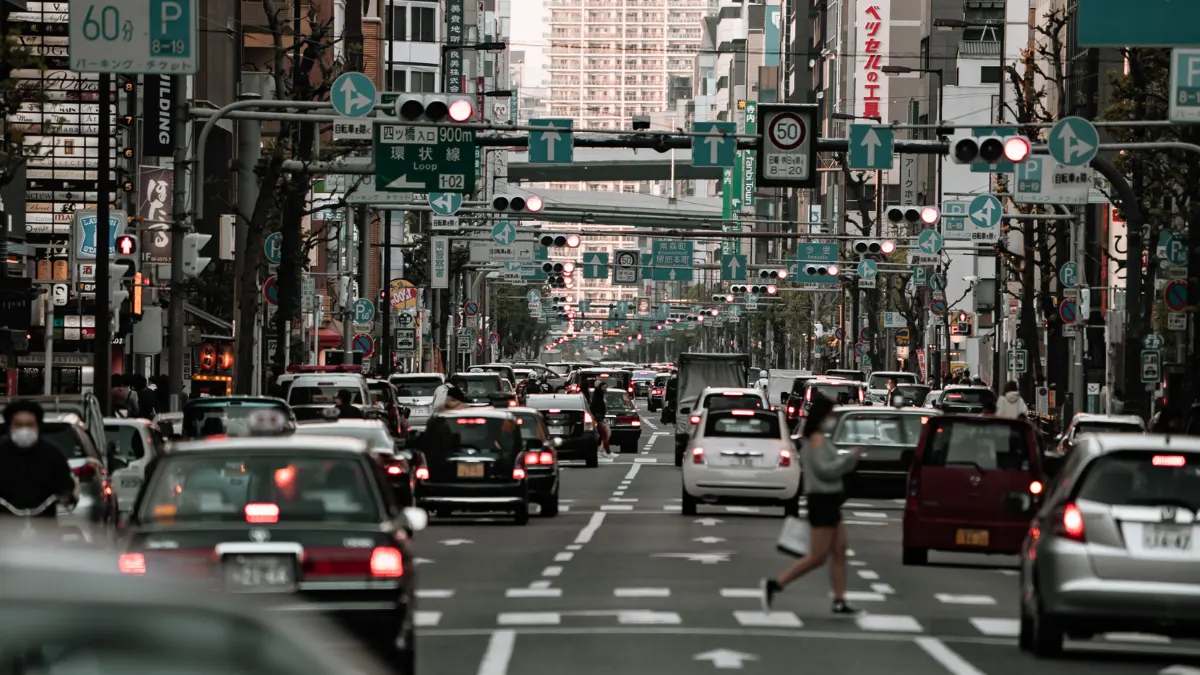
Formal workouts only burn a small fraction of your daily calories. The real culprit behind travel weight gain is sitting in airport gates, Ubers, and conference rooms for 12 hours a day. The Mayo Clinic warns that long periods of sitting slow down your metabolism and tighten your hip flexors.
You can fix this by sneaking small bursts of movement into the gaps of your schedule. Track your steps with an Apple Watch, Garmin, or your phone, and aim for at least 8,000 steps a day on the road. Walking around the terminal before boarding easily adds 2,000 steps before you even get on the plane.
Follow this simple schedule to keep your blood flowing from the moment you wake up until you go to sleep.
| Travel Window | Action Step | Time Required |
| Hotel morning routine | Do hip flexor stretches and bodyweight squats | 5 minutes |
| Airport gate wait | Walk the terminal concourse instead of sitting | 15 minutes |
| Between meetings | Take stairs instead of elevators and pace on calls | 10 minutes |
| Evening wind-down | Walk outside around the hotel block after dinner | 15 minutes |
A quick 15-minute walk after dinner also helps lower blood sugar spikes from restaurant meals. These small pockets of activity prevent stiffness and keep your energy steady throughout long conference days. You will return home feeling refreshed instead of needing a whole weekend just to recover.
Putting Your Travel Fitness Plan Into Action

Staying in shape on the road is not about hitting personal records in a hotel gym. It is about keeping your daily habits alive so you never have to start over from scratch when you get home. Pack a few resistance bands, keep your workouts short, prioritize protein, and protect your sleep.
Look at your calendar for your next trip and pick just two habits from this guide to apply right away. Mastering how to stay fit when you travel for work becomes second nature once you have a repeatable system you can trust anywhere.

Author: Brett Calloway
Brett Calloway is the lead writer at MenCraftCo, where he has written the site's outfit guides since mid-2026. He helps men look sharp without overthinking it, with clear outfit formulas, real-life looks for work, weekends and big occasions, and straight advice you can wear the next morning.