

You set an alarm for 6:00 AM, vow to stop doomscrolling in bed, and promise yourself that tonight you will skip the late-night junk food. By 10:00 PM, your brain feels totally drained from work decisions, family demands, and daily stress. The phone ends up in your hand, the bag of chips opens, and raw self-control vanishes instantly. You feel like you failed, but the real issue is your strategy.
Trying to break bad habits without willpower sounds like a shortcut, but it is actually sound neuroscience. Willpower acts like a muscle that gets tired as your day goes on, meaning relying on grit alone usually fails when you are exhausted.
True change happens when you stop fighting your brain and start changing your environment. By understanding habit loops and setting up smart systems, you can eliminate unwanted routines automatically without breaking a sweat.
Why Willpower Fails Men Under Stress

Men are often taught that self-discipline is just a matter of toughing it out. Modern behavioral science shows that self-control is a limited daily resource. Every choice you make at work, every email you answer, and every stressful drive drains your mental battery. By the time you get home, your brain switches to energy-saving mode and defaults to automatic behavior.
In his research detailed in Atomic Habits, James Clear explains that habits are neural shortcuts designed to save energy. When your mind feels overloaded, it defaults to the path of least resistance. Fighting an urge at night with brute strength rarely works because your executive function is offline.
Systems always beat pure willpower over time. Instead of white-knuckling your way through a craving, you need to change the setup that creates the craving in the first place. Real discipline comes from building an environment where bad choices are hard to make and good choices happen by default. This shift in strategy takes the emotional burden off your shoulders and lets you focus on steady, long-term progress.
The chart below shows how trying to use willpower compares to changing your surroundings across normal daily challenges.
| Scenario | The Willpower Approach | The System Approach |
| Late-night phone scrolling | Staring at the screen trying to force yourself to close apps | Putting your charger in the hallway before dinner |
| Unhealthy snack cravings | Leaving cookies in the pantry while trying not to eat them | Keeping snacks out of the house and stocking high-protein food |
| Procrastinating on deep work | Fighting distractions while keeping ten browser tabs open | Using a website blocker like Freedom during work hours |
Choosing systems over self-control turns hard choices into automatic habits. When you remove the option to make a bad choice, you save your mental energy for important tasks.
How to Map Your Habit Loop
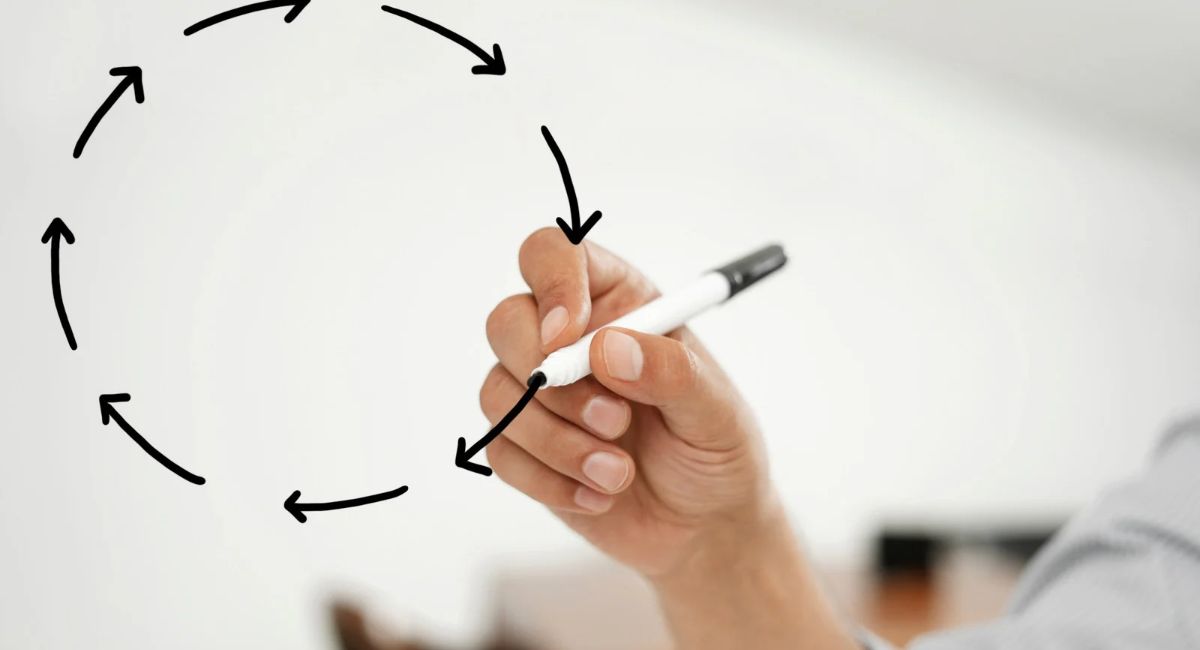
To change a behavior, you first need to see how it works under the hood. Author Charles Duhigg popularized the framework of the habit loop, which breaks down every automated action into distinct stages. When you know the exact triggers that launch your routines, you can adjust your behavior without relying on sheer determination.
Every bad habit starts with a cue, which is a trigger that tells your brain to go on autopilot. This trigger creates a craving, which is the emotional or physical state change you want to feel. The response is the actual habit you perform, and the reward is the instant relief or pleasure you get. Most men focus on stopping the response, but smart strategy focuses on changing the cue or the reward.
Behavioral triggers for men often center around stress relief, transition periods between tasks, or simple physical boredom. For instance, opening a social media app right after closing a work laptop is rarely about wanting content. It is usually a cue triggered by mental fatigue, seeking a quick hit of distraction. Identifying these specific moments lets you step in long before the impulse turns into an automatic action.
Here is a simple breakdown of the four stages of the habit loop and how to modify them effectively.
| Loop Stage | Function | Modification Technique |
| Cue (Trigger) | Prompts the brain to start a routine | Hide or remove the physical or digital prompt entirely |
| Craving (Desire) | The internal shift you want to feel | Reframe your perspective on what the action actually delivers |
| Response (Action) | The bad habit you actually carry out | Add extra physical effort or time steps to make it hard |
| Reward (Payoff) | The relief or pleasure your brain receives | Swap in a healthy action that delivers the exact same sensation |
Mapping out these four steps shows you that your bad habits are simply mechanical responses to specific prompts. Once you identify the real payoff you are after, you can design a better route to get it.
How to Add Friction to Stop Bad Habits Automatically
The easiest way to break bad habits without willpower is to add friction to the action. Friction is any extra step, delay, or physical barrier between you and the action you want to avoid. If you make an unwanted habit take twenty seconds instead of two seconds, your conscious mind gets enough time to step in and stop the urge.
You can use positive friction by physically altering your surroundings. If you spend too much time on your phone late at night, plug it in inside the bathroom or kitchen at 8:00 PM. If you want to stop drinking soda at home, stop stocking it in your fridge. If you want to play fewer video games, unplug the console and store the controllers in a closet after every session.
Digital tools make it easy to set up smart friction barriers. App blockers like Freedom or One Sec can pause your access to social media apps or lock them behind a forced thirty-second breathing prompt. Physical tools like a timed lockbox, such as a KSafe, allow you to lock away your phone, game controllers, or snacks for set periods. These simple commitment devices lock in your good intentions before your willpower drops at night.
The table below outlines simple physical friction setups you can apply to common daily habits.
| Target Bad Habit | Low-Friction Default | High-Friction Setup |
| Endless social media scrolling | Phone sitting right next to your computer or bed | Using the One Sec app and charging your phone in another room |
| Binge eating processed food | Junk food stored at eye level in the kitchen pantry | Keeping no junk food in the house or locking it in a timed box |
| Excessive gaming after work | Console plugged into the TV with wireless controllers ready | Unplugging the console and keeping controllers stored away |
Adding these small physical barriers forces you to slow down and think. Most of the time, the tiny effort required to bypass the friction is enough to cancel the impulse.
How to Swap Bad Habits with Smart Alternatives
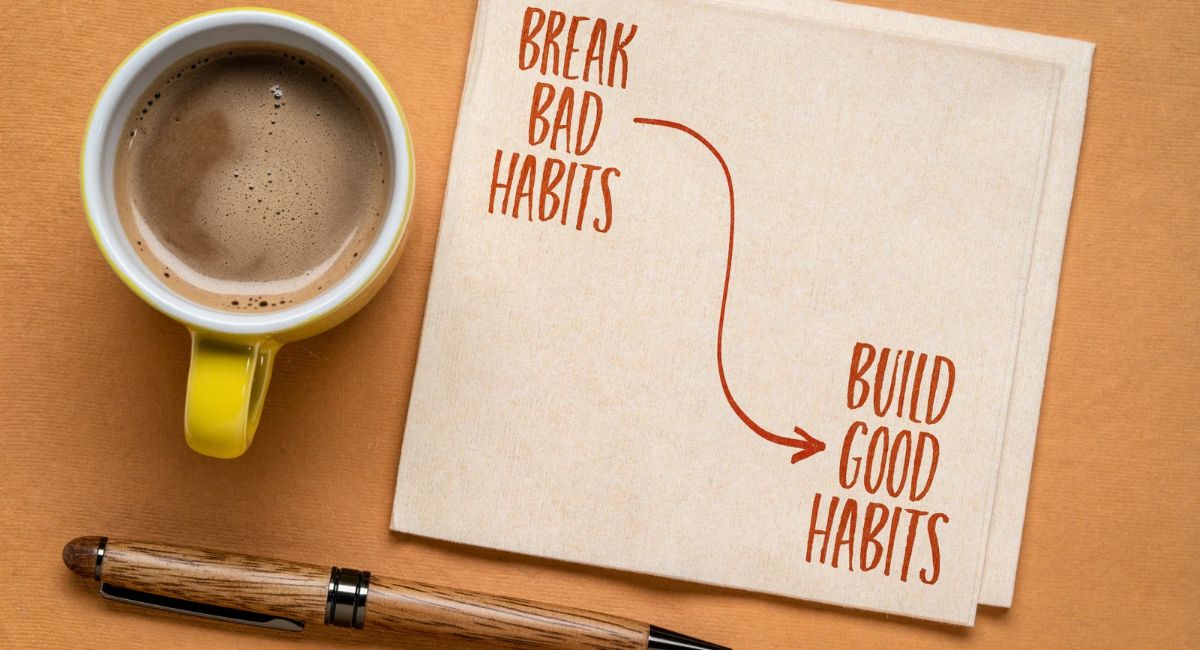
Trying to stop a bad habit cold turkey creates a mental void that often triggers intense cravings. Your brain relies on that habit to relieve stress, kill boredom, or get a quick burst of energy. Instead of deleting the behavior entirely, focus on habit loop replacement. Keep the existing cue and the final reward, but replace the middle action with something better.
Dr. BJ Fogg, founder of the Stanford Behavior Design Lab, stresses that habits become permanent when they feel easy and satisfying. If you usually drink a sugary soda at 3:00 PM for an energy boost, replacing it with plain tap water might feel boring and fail quickly. Swapping that soda for a cold flavored sparkling water like LaCroix or Liquid Death gives you the same physical crunch and cold refresh without the sugar spike.
If you reach for your phone to scroll social media whenever work gets stressful, replace that action with a quick, active reset. Try doing ten pushups, taking five deep breaths, or using a grip trainer at your desk. The key is choosing a physical action that takes under sixty seconds and provides immediate relief without derailing your day.
Review the substitution guide below to see how you can swap bad actions while keeping the same mental reward.
| Original Cue | Bad Response | Replacement Response | Shared Reward |
| Afternoon energy slump | Drinking a sugary energy drink | Drinking cold ice water with lemon or sparkling water | Physical refresh and quick break |
| Evening decompression | Endless video streaming on TV | Reading ten pages of a book with lights dimmed | Mental relaxation and screen-free unwind |
| Stress after a long meeting | Checking phone apps automatically | Step outside for two minutes or do a quick stretch | Instant physical stress relief |
Swapping the action lets you keep the payoff your brain expects. This approach satisfies the underlying need while protecting your health, energy, and time.
How to Design an Environment That Enforces Discipline
Your environment is the invisible hand that shapes your daily choices. Most men assume they lack self-control, when in reality their living and working spaces are optimized for distraction and comfort. If you want to break bad habits without willpower, you must redesign your physical surroundings to make desirable actions effortless and unwanted actions inconvenient.
Start by separating your dedicated space zones. Never work, eat, or scroll on your phone in bed, because that confuses your brain about sleep cues. Keep your desk clear of clutter, trash, and personal distractions so it signals focus the moment you sit down. If you want to drink more water and stay productive, place a large water bottle right next to your keyboard before you start work each morning.
Apply the concept of friction environment design to every room in your home. Put your gym clothes right next to your bed the night before so you do not have to think in the morning.
Keep your TV remote inside a drawer across the room instead of on the coffee table. Small adjustments to your physical layout systematically steer your choices in the right direction.
Redesigning your environment puts your daily routine on autopilot. You will no longer spend energy trying to make good choices because your space naturally guides you toward them.
To start changing your habits today, pick just one bad routine that bothers you most. Map out its cue, add two layers of physical friction, and set up a smart substitution for this week. When you build a system that works with your brain, you will discover that achieving real discipline is surprisingly easy.

Author: Brett Calloway
Brett Calloway is the lead writer at MenCraftCo, where he has written the site's outfit guides since mid-2023. He helps men look sharp without overthinking it, with clear outfit formulas, real-life looks for work, weekends and big occasions, and straight advice you can wear the next morning.