
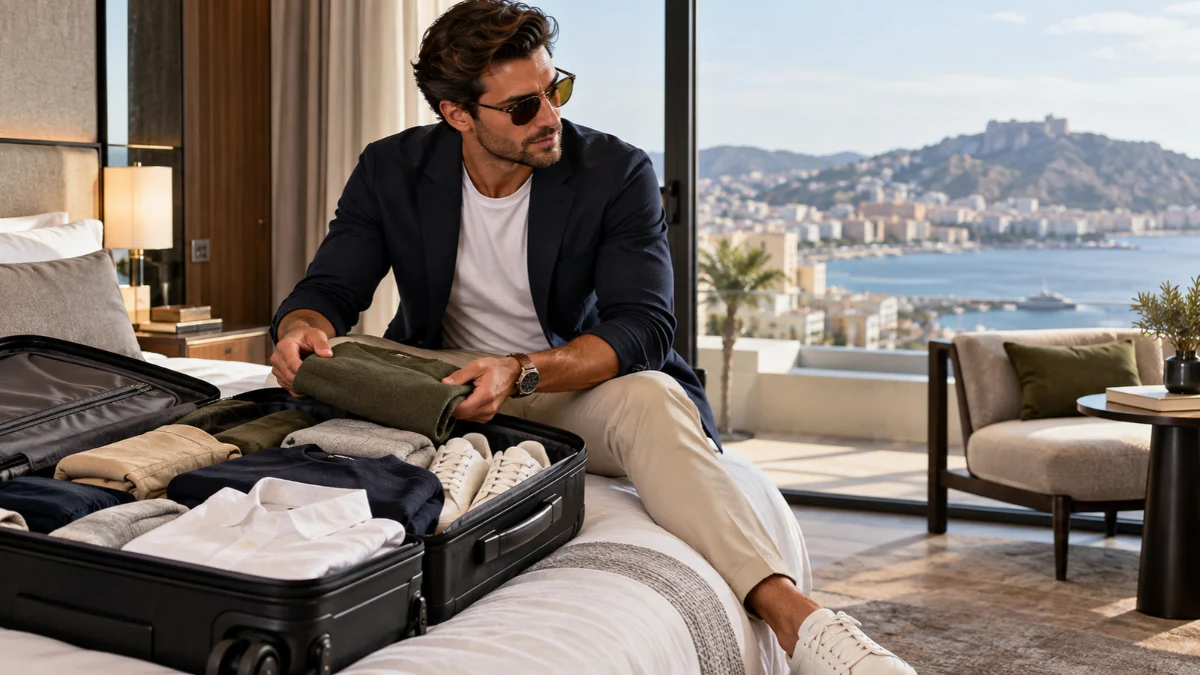
Packing for a trip usually ends in one of two ways. You are either dragging a heavy, overstuffed suitcase across cobblestones, or you arrive at a nice dinner realizing you only brought graphic tees.
Figuring out how to pack light without looking like a rumpled backpacker is genuinely frustrating. You want to be comfortable on the flight, but you also do not want to waste precious vacation time stressing over what matches.
Learning how to build a travel wardrobe for men changes the way you experience a trip. We are going to break down the exact fabrics, fits, and outfit formulas that make packing simple. You will look sharp from the airport lounge straight to the hotel bar, using just a carry-on.
Why Packing Always Feels Like a Compromise
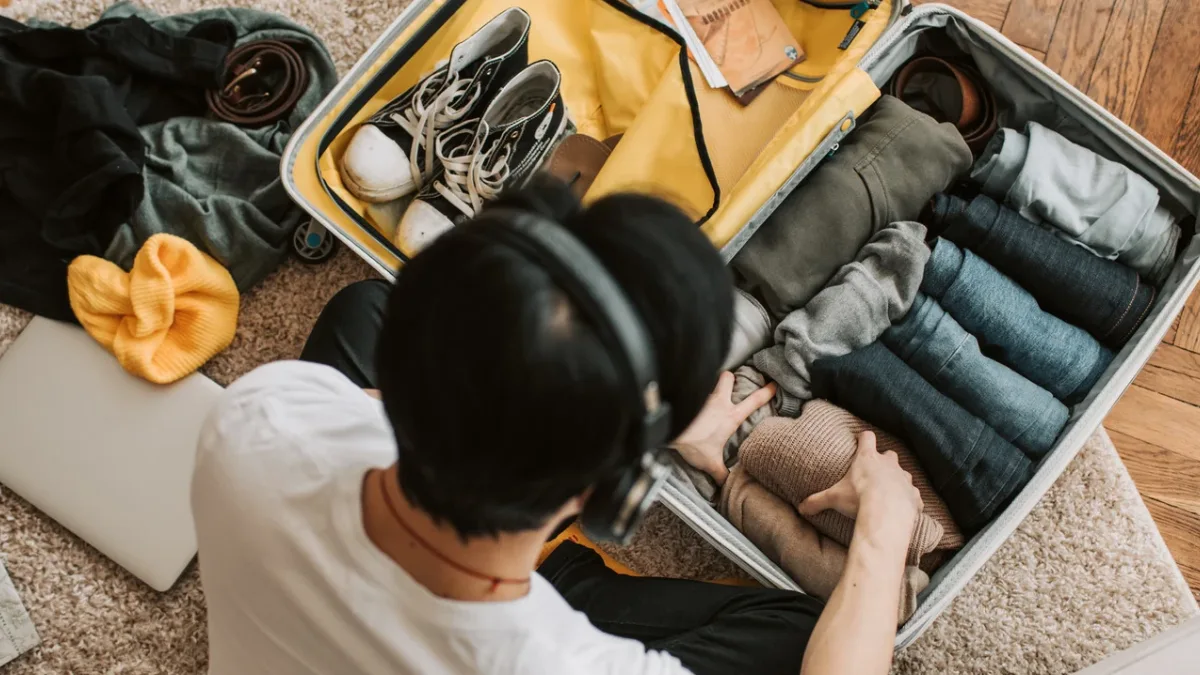
Most guys struggle with travel packing because men’s clothing is inherently bulky. Shoes take up massive amounts of space, and structured jackets do not fold down easily.
You might also be trying to pack for every possible scenario. This leads to throwing in “just in case” items that you never actually wear, crowding out the pieces you actually need.
The trick is shifting your mindset from packing individual outfits to packing a cohesive system. When everything works together, you need fewer items to create more looks.
The Core Principle That Changes Everything
The single most important rule for travel is the three-to-one ratio. You should pack three tops for every one pair of bottoms.
Pants and shorts take up the most room and can easily be worn multiple times before washing. Shirts sit closer to the body, absorb more sweat, and are the most visible part of your outfit in photos.
Sticking to a tight, neutral color palette makes this ratio work. If every shirt matches every pair of pants, getting dressed in a dark hotel room takes ten seconds.
Here is a look at a basic carry-on foundation for a standard five-day trip.
| Core Piece | What to Look For | Mixes Best With |
| Dark Chinos | Medium weight, 2% elastane for stretch. | Polos, button-downs, casual tees. |
| Tailored Jeans | Dark wash, no distressing, straight or slim fit. | Casual sneakers, basic tees, light jackets. |
| Merino T-Shirts | Solid colors like navy, charcoal, or olive. | Everything in the bag. |
| Lightweight Layer | An unstructured blazer or a clean overshirt. | Chinos for dinner, jeans for travel days. |
Prioritizing Fabrics That Actually Travel Well
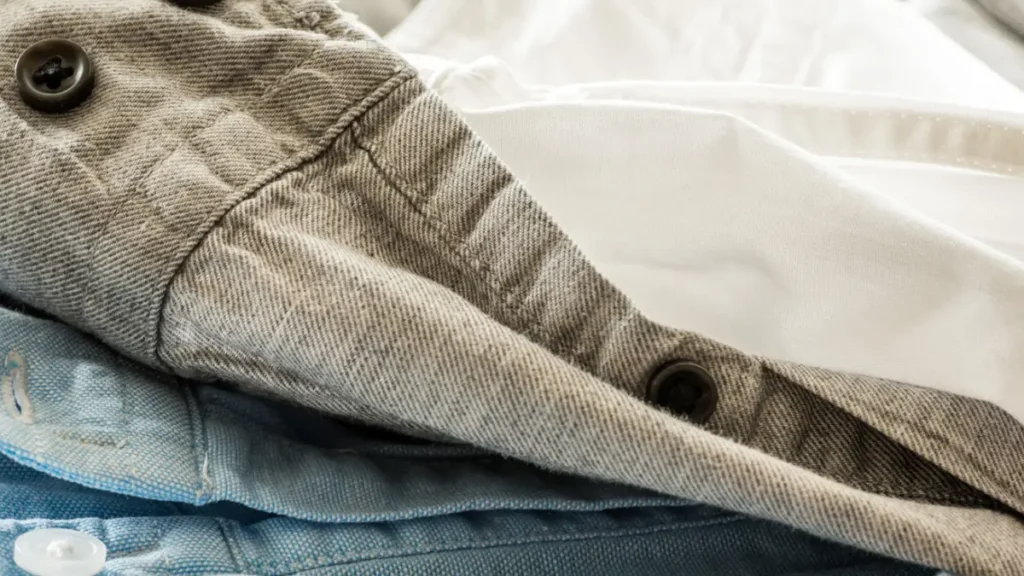
The biggest mistake you can make is packing clothes based entirely on how they look on a hanger. Travel puts heavy stress on your garments through prolonged sitting, folding, and varied climates.
Standard heavy cotton traps moisture, takes forever to dry, and wrinkles the second you sit down. You want fabrics that actively work with your body while you are on the move.
Focus on materials that offer natural odor resistance, wrinkle recovery, and a bit of stretch for long flights.
Use this quick guide to choose fabrics that will survive being jammed in a suitcase.
| Fabric | Why It Works for Travel | What to Avoid |
| Merino Wool | Naturally fights odor, regulates heat, resists wrinkles. | Heavyweight knits that eat up bag space. |
| Tech Blends | Nylon/spandex mixes stretch and dry quickly. | Anything shiny that looks like gym wear. |
| Hopsack Wool | Open weave breathes well and shakes out wrinkles instantly. | Stiff, heavily lined suit jackets. |
What to Wear on the Plane vs. What to Pack
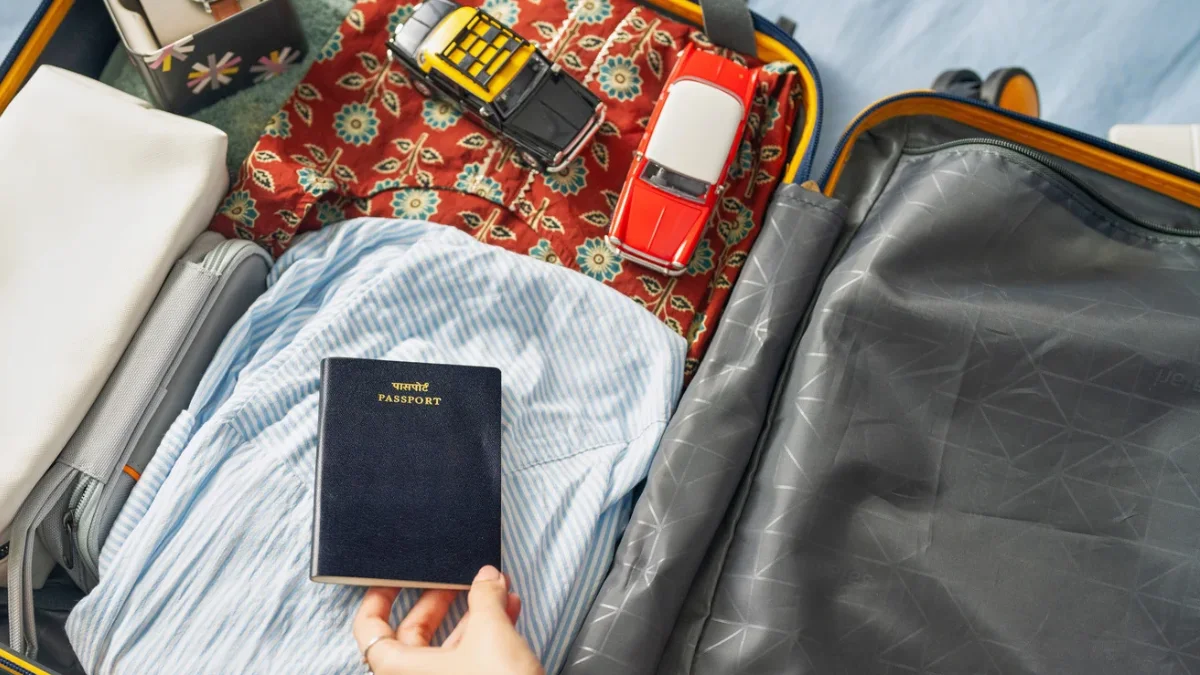
Your travel day outfit is the secret weapon of your entire capsule. Always wear your bulkiest items on the plane to save maximum space in your luggage.
If you are bringing boots or thick sneakers, those go on your feet. Your heaviest layer, like a jacket or chunky sweater, should be worn or carried.
This keeps your bag light and ensures you are prepared for freezing airplane cabins. You can easily strip off the outer layer once you land in a warmer destination.
Mistakes That Make You Look Like a Tourist

- Relying on athletic wear: Sweatpants are comfortable, but tailored joggers or stretch-chinos offer the exact same comfort while looking appropriate at a restaurant.
- Packing stiff dress shoes: Unless you are attending a formal wedding, swap the rigid oxfords for a clean leather loafer or a minimalist leather sneaker.
- Ignoring proportions: Baggy cargo shorts and oversized tees add visual bulk. Slimmer, tailored cuts make you look put-together even if you are just wearing basics.
A Simple Formula to Copy
You do not need a fashion degree to look good on the road. You just need a reliable combination of pieces that you can throw on without thinking.
Formula: Neutral Base + Textured Layer + Clean Leather Shoe.
Start with a dark base, like navy chinos and a charcoal tee. Add visual interest with an overshirt or light jacket, and anchor it with a shoe that bridges the gap between casual and dressy.
Here are three ways to adapt this formula for different parts of your trip.
| Occasion | The Formula Setup | Why It Works |
| Airport Day | Stretch chinos + Merino tee + Slip-on loafers. | Maximum comfort while sitting, easy through security. |
| City Exploring | Dark jeans + Polo shirt + Minimalist sneakers. | Breathable for walking, sharp enough for lunch stops. |
| Nice Dinner | Chinos + Button-down + Unstructured blazer. | Respects dress codes without feeling stiff or restricted. |
Frequently Asked Questions
The Gentleman’s Carry-On
Mastering Minimalist Packing
Stick to Two Pairs
Wear your bulkiest, most comfortable walking shoes on the plane, and pack a sleeker, slightly dressier option, like a loafer or clean leather sneaker.
Fold Suits Strategically
Turn the jacket inside out, tuck one shoulder into the other, and fold it in half vertically to protect the exterior fabric from rubbing and creasing.
Roll, Don’t Fold
Rolling your casual clothes prevents hard creases and saves space. For dress clothes, use packing cubes to compress fabric and stop wrinkle-causing friction.
Build a Rotation
Your clothes should support your itinerary. Implement the three-to-one ratio on your next getaway, and notice how much lighter you feel when packing only what works.

Author: Brett Calloway
Brett Calloway is the lead writer at MenCraftCo, where he has written the site's outfit guides since mid-2023. He helps men look sharp without overthinking it, with clear outfit formulas, real-life looks for work, weekends and big occasions, and straight advice you can wear the next morning.