

You work hard, get paid, and somehow your bank account still looks smaller than you expected. Rent, groceries, car payments, subscriptions, and weekend plans take a piece of every paycheck. Before you know it, another month is gone, and you have little to show for the money you earned.
If that sounds familiar, you need a better system for managing your money. You don’t need to become a finance expert or earn a six figure salary to make progress. You need a few good habits that help you spend wisely, save regularly, and avoid expensive mistakes.
Your 20s are a great time to build those habits. The financial choices you make now can shape how much freedom you have in your 30s and beyond. That includes where you live, what career opportunities you can take, and how you handle unexpected problems.
These personal finance basics will help you take control of your paycheck, manage debt, build savings, and start investing for the future. You can start with whatever income you have today.
Know Your Take Home Pay Before You Spend It

You cannot manage your money well if you don’t know how much you actually have available to spend. Your salary might sound impressive, but the amount that reaches your bank account is what matters when paying bills.
Your gross pay is what you earn before taxes and other deductions. Your take home pay is what remains after deductions such as income taxes, payroll taxes, health insurance, and retirement contributions.
For example, a job offering a $60,000 annual salary does not mean you can spend $5,000 every month. Your actual monthly paycheck will be smaller after deductions. The exact amount depends on your taxes, benefits, and other factors.
Find Out Where Your Money Goes
Start by reviewing your bank and credit card statements from the past month. Write down how much you spent on housing, groceries, transportation, eating out, and other regular purchases.
Separate expenses into two groups:
- Fixed expenses: Rent, loan payments, insurance, and other bills that usually stay the same.
- Variable expenses: Groceries, fuel, restaurants, entertainment, and shopping.
Next, subtract your total monthly spending from your take home income. If the result is negative, you are spending more than you earn. If it is positive, you have money available to save or put toward other goals.
The Consumer Financial Protection Bureau offers a monthly budget worksheet that follows this basic process. You can also use a simple spreadsheet or your bank’s spending tools.
Make reviewing your spending a regular habit. When you know where your paycheck goes, you can make better choices before money becomes tight.
Build a Budget That Still Leaves Room for Fun
A budget does not mean giving up everything you enjoy. It gives you permission to spend on things you care about without putting your bills or savings at risk.
Without a spending plan, it is easy to buy things based on how much money is currently sitting in your account. The problem is that some of that money may already be needed for bills later in the month.
A common starting point is the 50/30/20 budgeting guideline, which puts 50% of take home income toward needs, 30% toward wants, and 20% toward savings and financial goals.
However, those percentages will not work for everyone. If you live in an expensive city or have large debt payments, you may need a different split.
How to Organize Your Monthly Spending
Before deciding what to cut, group your expenses by purpose. This makes it easier to see which costs you must cover and which ones you can change.
| Spending category | What belongs here | What to check |
|---|---|---|
| Essential bills | Rent, utilities, groceries | Payment dates |
| Flexible spending | Dining, hobbies, clothes | Monthly limits |
| Savings and investing | Emergency fund, retirement | Automatic transfers |
| Debt payments | Credit cards, loans | Minimums and extra payments |
Your goal is to give each part of your paycheck a clear job. If your essentials use most of your income, start by finding small ways to reduce flexible spending rather than forcing an unrealistic savings target.
You can still pay for a gym membership, enjoy a night out, or buy something you have wanted for months. Just plan for it instead of making every purchase an impulse decision.
Review your spending plan at least once a month. When your income or bills change, update the numbers so your budget still fits your life.
Build an Emergency Fund That Can Handle a Bad Month
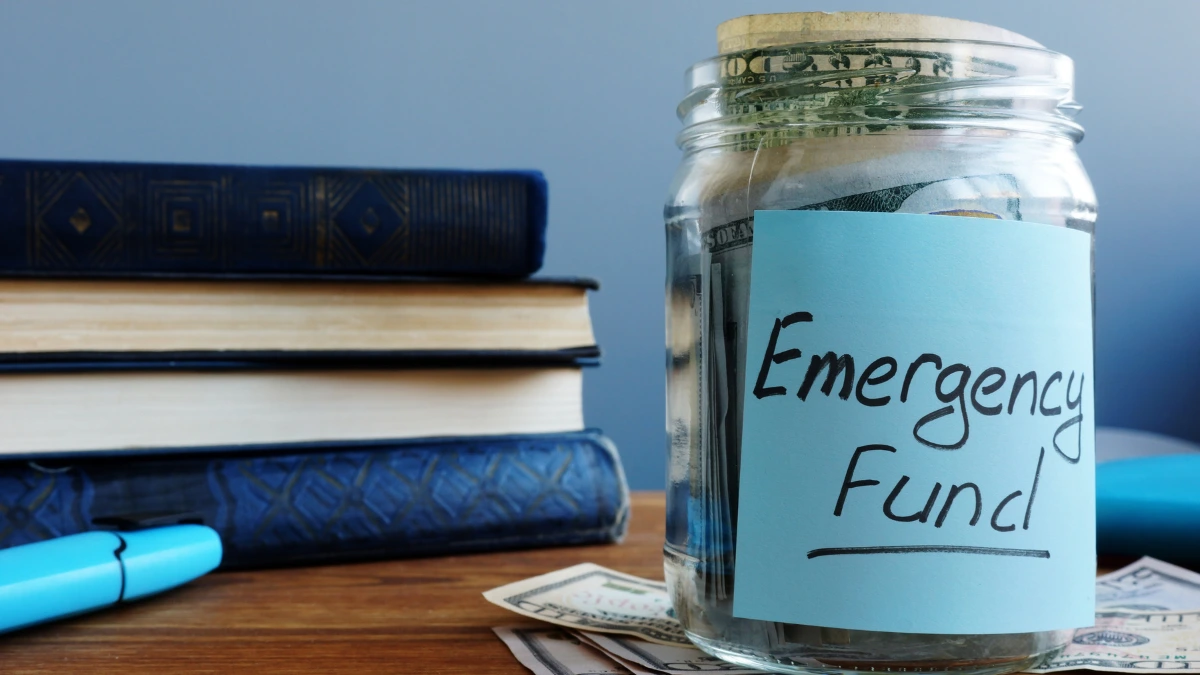
Your car breaks down, your phone stops working, or you suddenly need to find another job. These problems can happen even when you are careful with money.
An emergency fund helps you pay for unexpected needs without depending on credit cards or expensive loans. It also gives you more time to make good decisions when something goes wrong.
The Federal Reserve’s May 2026 report found that just 37% of U.S. adults ages 18 to 29 said they had emergency savings sufficient to cover three months of expenses in 2025. That shows why building a cash reserve deserves attention early in adulthood.
How Much Should You Save?
Many financial experts recommend working toward three to six months of essential living expenses. Your ideal amount depends on your job stability, health needs, dependents, and access to other support.
If your income changes from month to month, you may want a larger reserve. If saving several months of expenses feels impossible, start with a smaller goal that you can reach.
Try building your savings in stages:
- Save enough to cover one common unexpected expense.
- Build up to one month of essential bills.
- Keep adding money until you reach a reserve that suits your situation.
The key is consistency. Even small transfers made every payday can help you build a useful cash cushion.
Where Should You Keep Emergency Savings?
Emergency money should be safe and easy to access. It also helps to keep it separate from the account you use for everyday spending.
| Account or asset | Good for | Main drawback |
|---|---|---|
| Checking account | Immediate spending | May earn little interest |
| Insured savings account | Accessible cash savings | Interest rates can change |
| Certificate of deposit | Cash with a planned holding period | Early withdrawal penalties may apply |
| Stocks or crypto | Long term risk taking | Value can drop suddenly |
For most people, a separate insured savings account is a practical home for emergency cash. It can earn interest while keeping the money available when needed.
The FDIC protects eligible deposits at insured banks within its coverage limits. Investment products such as stocks and crypto do not receive that protection.
Set up an automatic transfer from checking to savings after payday. Start with an amount that will not cause you to miss bills, and increase it when your budget allows.
Pay Off High Interest Debt With a Clear Order

Debt becomes a serious problem when interest charges consume money you could otherwise save or invest. This is especially true when credit card balances continue growing.
Not all debt needs the same response. A low interest student loan may fit into your budget differently from a credit card charging a much higher rate.
Start by writing down every debt you owe. Include the total balance, annual percentage rate, minimum monthly payment, and payment due date.
Make at least the required minimum payments on time. Then choose where to put any extra money you can afford.
Which Debt Payoff Method Fits You?
The Consumer Financial Protection Bureau describes two main approaches to paying down debt. You can focus on the highest interest rate or the smallest balance first.
A balance transfer or consolidation loan is another option in some situations. It is worth comparing only after checking all fees, rates, and repayment terms.
| Method | Main approach | Best fit | Tradeoff |
|---|---|---|---|
| Highest interest first | Attack costliest debt | Saving on interest | Progress may feel slow |
| Smallest balance first | Clear smallest debt | Building motivation | May cost more interest |
| Consolidation or transfer | Combine or move balances | Better repayment terms | Fees and rate changes |
The highest interest first method generally saves more interest when you maintain the same repayment effort. The smallest balance method can help if quick wins keep you motivated.
Consolidation is not a fix for ongoing overspending. A lower monthly payment can still cost more overall if you extend the repayment period.
Stop Adding New Debt While Paying Off Old Debt
Paying extra on a credit card will not help much if you keep adding new purchases you cannot afford. Try using your debit card or available cash for flexible spending while you reduce the balance.
If you are having trouble making minimum payments, contact your lender early. Ask about hardship options, payment plans, or other available support.
A nonprofit credit counselor can also help you review your choices. Avoid companies that promise instant debt relief or demand large fees before explaining their services.
Build Credit Without Carrying a Balance
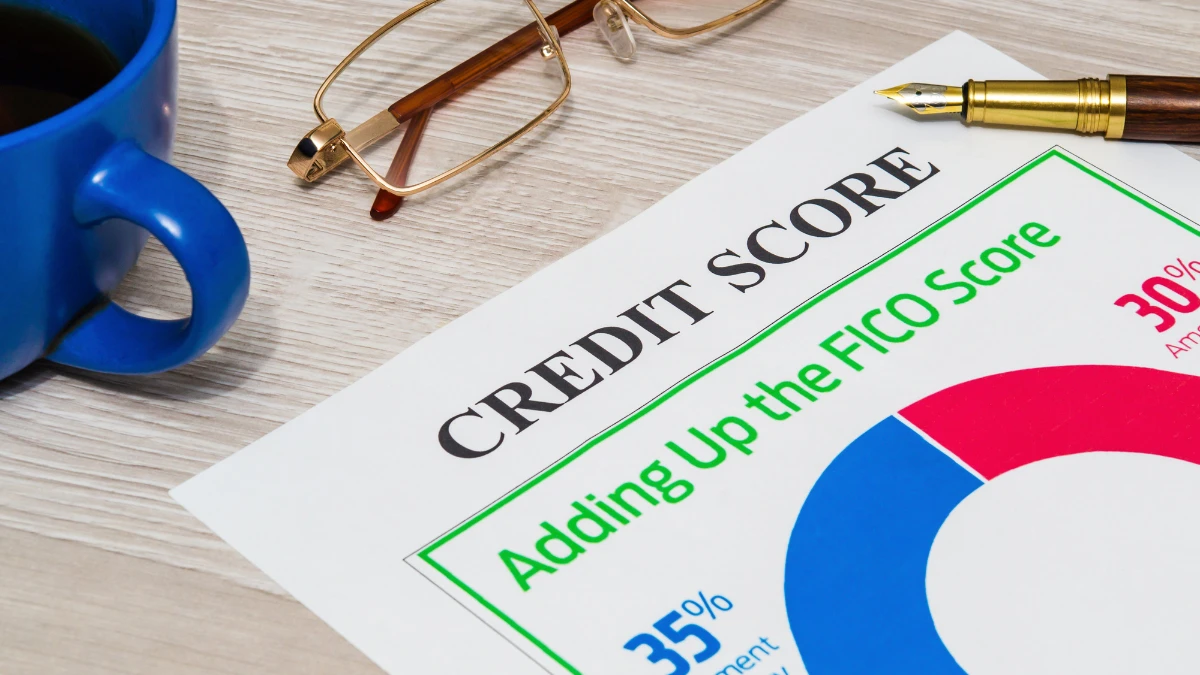
Your credit history can affect your ability to qualify for a car loan, mortgage, or rental home. Lenders use credit reports and scores to judge how you have handled borrowed money.
Building good credit does not require borrowing large amounts or carrying debt every month. In fact, paying credit card interest is not necessary to build a positive credit history.
Focus on a few simple habits:
- Pay bills on time. Set reminders or automatic payments so you do not forget due dates.
- Keep credit card balances manageable. Using a large share of your available credit can hurt your score.
- Avoid unnecessary applications. Opening several accounts in a short period can affect your credit.
- Check your credit reports. Look for unfamiliar accounts, wrong balances, and payment errors.
One helpful habit is paying your full credit card statement balance by the due date. For ordinary purchases, this generally lets you avoid interest when your card’s grace period applies.
Check Your Credit Before You Need a Loan
The Consumer Financial Protection Bureau confirms that you can review your online credit reports free every week through AnnualCreditReport. You can request reports from Equifax, Experian, and TransUnion.
Checking your own credit report does not lower your score. If you find incorrect information, dispute it with the credit bureau and the company that supplied it.
You should also know that a credit report and a credit score are different. Your report lists credit activity, while your score is a number calculated from that information.
Good credit is built through steady behavior over time. The goal is to borrow responsibly, not to collect as many credit cards as possible.
Start Retirement Savings Before You Feel Ready
Retirement may seem far away when you are in your 20s. But starting early gives your investments more time to grow.
One reason is compound growth. When an investment earns returns, future gains may be earned on both your original investment and earlier gains.
Growth is never guaranteed, and investment values can fall. Still, consistent contributions over many years give you the chance to benefit from long term market growth.
You also do not need a large amount to begin. Starting with a contribution that fits your budget can help you develop the habit while you work on other goals.
Learn How Retirement Accounts Work
If your employer offers a 401(k), check whether the company provides a matching contribution. A match means your employer adds money when you contribute, subject to the plan’s rules.
If you do not have access to a workplace retirement plan, an Individual Retirement Account, or IRA, may be an option.
Traditional and Roth accounts have different tax rules. The right choice depends on your income, tax situation, and expectations for retirement.
Which Retirement Account Should You Use?
Each account type offers a different way to save for retirement. Before choosing, check its tax treatment, eligibility rules, and withdrawal conditions.
| Account type | Tax treatment | What to check |
|---|---|---|
| Traditional 401(k) | Contributions usually reduce taxable pay now | Employer match and plan fees |
| Roth 401(k) | Qualified withdrawals are tax free | Workplace plan options |
| Traditional IRA | Contributions may be deductible | Deduction eligibility |
| Roth IRA | Qualified withdrawals are tax free | Income limits |
These accounts offer tax benefits, but they also have rules about contributions and withdrawals. Money you need for rent or emergencies generally belongs outside a retirement account.
The IRS sets the standard 2026 employee contribution limit for 401(k) plans at $24,500. The annual combined limit for traditional and Roth IRA contributions is $7,500 for people under age 50, or their taxable compensation if lower.
You do not have to contribute the maximum to make progress. If money is tight, begin with a manageable amount and consider increasing it after a raise.
Remember that opening a retirement account is not the same as investing the money inside it. You usually need to choose investments unless your plan automatically does so.
Choose Simple Investments Without Chasing Hype
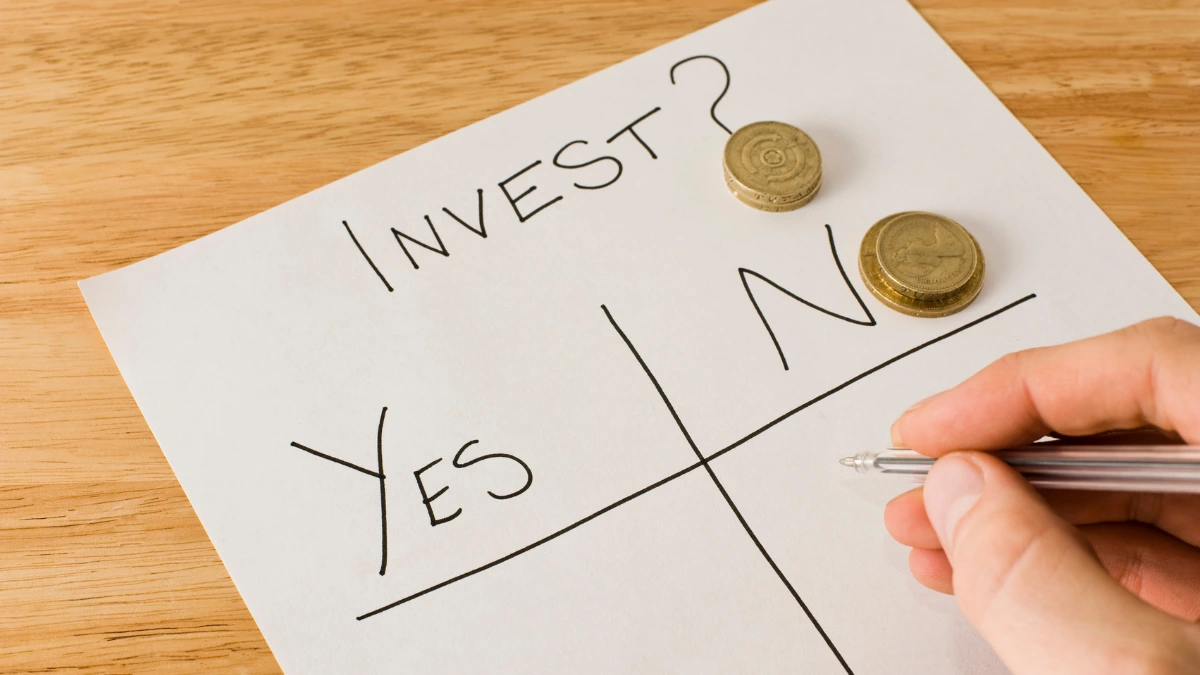
You do not need to follow stock prices every day to become an investor. For many beginners, a simple plan using diversified funds is easier to manage than trying to pick the next popular stock.
Diversification means spreading your money across different investments. This can reduce the damage caused by one company performing badly.
A broad index fund offers exposure to many companies in a single investment. Some funds follow the U.S. stock market, while others focus on international stocks or bonds.
For example, Vanguard’s Total Stock Market ETF, known as VTI, tracks a broad range of U.S. stocks. Fidelity ZERO Total Market Index Fund, known as FZROX, is another example of a fund covering a broad part of the U.S. stock market.
Neither fund is guaranteed to make money. Both can lose value, especially during market declines.
Watch Investment Fees Before Choosing a Fund
The Securities and Exchange Commission explains through Investor.gov that investment fees reduce returns. One fee worth checking is the expense ratio, which represents annual fund operating expenses.
Compare the costs, investment holdings, and risks before choosing any fund. Also consider whether a target date retirement fund might suit you, since these funds are designed to adjust their investments over time.
Keep money needed for near term goals, such as next year’s rent deposit, in suitable cash savings rather than risky investments. The stock market can drop right when you need to withdraw.
Investing should support your goals, not become a daily source of stress. Choose a plan you can keep following through both good and bad markets.
Protect Your Income, Savings, and Identity

Building savings is important, but protecting what you have earned matters just as much. One serious accident, medical bill, or financial scam can disrupt years of progress.
Insurance can help reduce certain financial risks. The type and amount of coverage you need depend on your job, living situation, assets, and people who rely on you.
Start by reviewing these common types of protection:
- Health insurance: Helps cover eligible medical care and can protect you from large medical costs.
- Auto insurance: Helps cover certain losses from accidents and is legally required in most states.
- Renters insurance: Can protect covered personal belongings and provide certain liability coverage.
- Disability insurance: May replace part of your income if a covered illness or injury prevents you from working.
- Life insurance: May be useful if a partner, child, or other person depends on your income.
If nobody depends on your income, life insurance may not be an immediate priority. Focus first on the risks that could cause the most serious financial harm.
HealthCare.gov also provides coverage information for young adults. Depending on your age, income, and location, different plan options and financial assistance may be available.
Keep Your Money Safe From Scams
Protecting your finances also means taking online security seriously. Never share account passwords, banking codes, or sensitive financial details with someone who contacts you unexpectedly.
Use strong, unique passwords and turn on multifactor authentication for important accounts. Check statements regularly and report suspicious transactions quickly.
The Federal Trade Commission recommends credit freezes as one way to help prevent new accounts from being opened using stolen personal information. You can request a free freeze from each of the three major credit bureaus.
Finally, make sure your bank is properly insured. The FDIC’s BankFind tool can help you check whether a bank has FDIC insurance, while its deposit insurance estimator helps explain coverage.
Plan for Taxes and Big Purchases Before They Hit
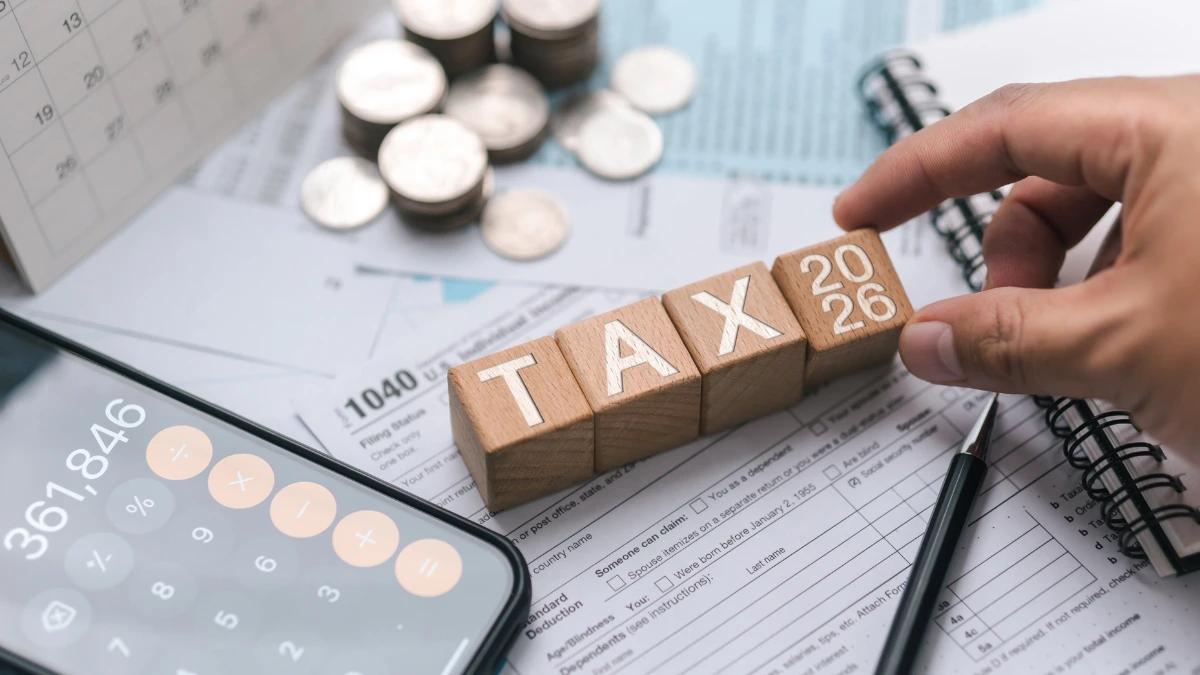
A major purchase often costs more than the price shown on the tag. The same is true of earning money, because taxes and other expenses can change how much you actually keep.
Before buying a car, for example, look beyond the monthly loan payment. You also need to consider insurance, fuel, maintenance, registration, and repairs.
A car that looks affordable based on its payment alone may become a burden once those other costs are added.
Save for Major Purchases Before Shopping
Create a separate savings goal for large expenses you expect in the future. This could include moving into your own apartment, buying a car, traveling, or saving for a home down payment.
Decide how much you need and when you want to make the purchase. Then set aside an affordable amount regularly instead of depending on a loan at the last minute.
Try waiting before making large purchases that are not essential. Giving yourself time to compare options may help you avoid buying something simply because you feel excited about it.
Avoid Tax Surprises
If you work a regular job, your employer generally withholds taxes from your paycheck. The IRS Tax Withholding Estimator can help you review whether your federal income tax withholding fits your situation.
If you freelance, run a business, or earn certain other income, you may need to make estimated tax payments. IRS Publication 505 explains withholding and estimated tax rules.
Keep records of income and eligible expenses throughout the year. If your tax situation is complicated, consider speaking with a qualified tax professional.
Planning ahead makes large expenses easier to handle. It also helps you avoid spending money that may already be needed for taxes or future bills.
Set a Monthly Money Routine You Can Keep After 30

The best financial plan is one you will actually use. You do not need to check your accounts every hour or spend your weekends reading financial reports.
Instead, schedule a short money review every month. Use that time to see what worked, what changed, and what needs your attention next.
Run a Simple Monthly Money Check
Review the following areas at the end of each month:
- Income: Check how much money came in after deductions.
- Spending: Compare actual expenses with your planned budget.
- Savings: Review your emergency fund and other savings goals.
- Debt: Check balances, interest charges, and payment progress.
- Investments: Confirm contributions went through and review your long term plan.
- Upcoming bills: Look ahead for renewals, annual fees, and other expenses.
Another useful habit is tracking your net worth. This is the value of what you own, such as cash and investments, minus what you owe.
Your net worth may be negative early in adulthood, especially if you have student loans. What matters is whether your overall position improves as you pay down debt and build assets.
Set Goals Based on Your Life, Not Someone Else’s
You do not need to own a house, drive an expensive car, or have a huge investment account by your 30th birthday. Your financial goals should reflect your income, responsibilities, and what matters to you.
Some useful goals include paying off a credit card, building an emergency reserve, or contributing regularly to retirement. Others may involve preparing for marriage, supporting family members, changing careers, or starting a business.
When you receive a raise, consider increasing your savings before raising every part of your lifestyle spending. You can still enjoy earning more while putting some of that extra income to work.
Keep your system simple enough to follow through busy months. Good money management is about making steady progress, not being perfect.
Conclusion:
Learning personal finance basics before 30 can make your adult life easier to manage. You become better prepared for unexpected expenses, more confident about debt, and more aware of how today’s choices affect your future.
You do not need to have everything figured out by a certain birthday. Your income, responsibilities, and goals will change, and your financial plan should change with them.
Start with one action you can complete this week. Review your spending, open a separate savings account, check your credit report, or begin contributing to retirement.
Then keep building from there. The goal is not to look wealthy or impress other people. It is to create enough financial stability to make decisions based on what you want from life, rather than what you can afford until the next paycheck.

Author: Brett Calloway
Brett Calloway is the lead writer at MenCraftCo, where he has written the site's outfit guides since mid-2023. He helps men look sharp without overthinking it, with clear outfit formulas, real-life looks for work, weekends and big occasions, and straight advice you can wear the next morning.