

You walk into a room, greet an acquaintance, and get a quick smile back. Everything seems fine on the surface. Yet, something about the interaction feels wrong. You leave the conversation wondering where you stand.
Most adults do not express hostility openly. They use polite social habits to mask their true feelings. This leaves you guessing whether someone genuinely likes you or simply wants to be nice. Spotting these subtle signals helps you invest your time in real relationships while avoiding polite disrespect.
Here are 7 signs someone doesn’t like you, even when they maintain a pleasant tone.
1. The Torso and Feet Point Toward the Exit
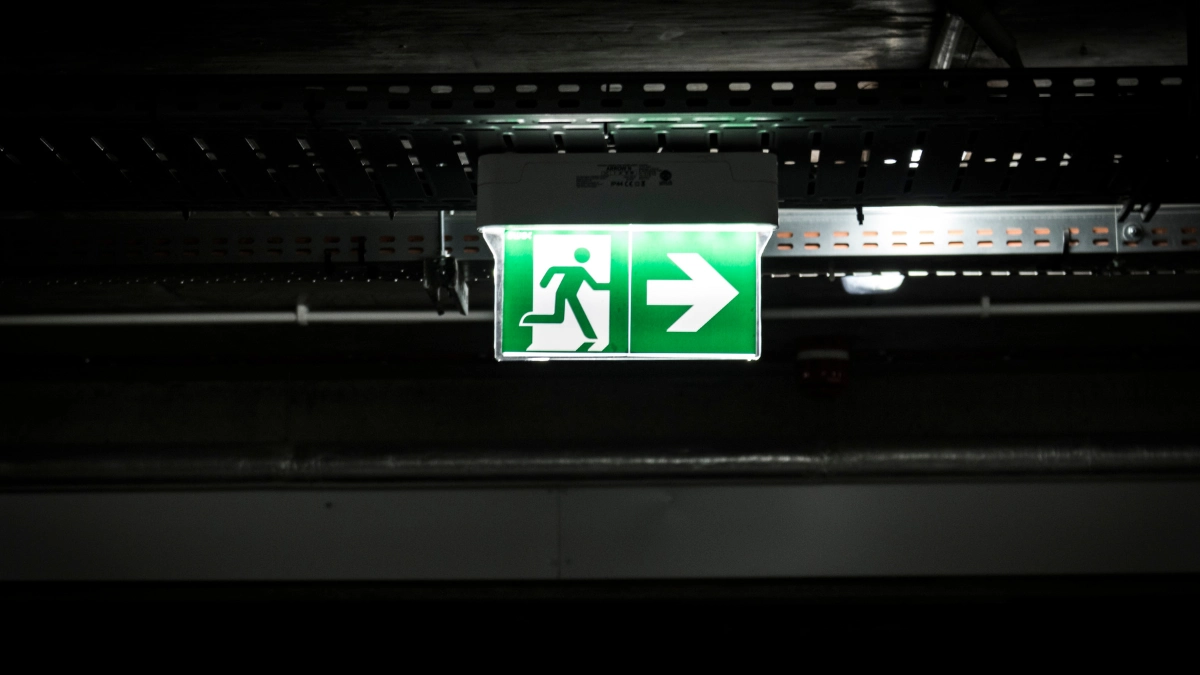
People often control their facial expressions, but they rarely monitor their lower body. The direction of a person’s torso and feet reveals where they actually want to go. When someone likes your company, their body turns directly toward you.
If someone feels uncomfortable or disengaged, their upper body pivots away. This movement is called ventral denial. Their chest faces an open doorway, another person, or an exit route while their head turns back to glance at you.
Watch how their shoes line up during a conversation. If their feet point toward the door, their mind has already left the room.
Before analyzing verbal signals, review these core nonverbal cues to spot genuine interest.
| Body Area | Authentic Sign | Polite Disinterest Sign |
| Torso & Feet | Angled directly toward you | Angled toward an exit or hallway |
| Facial Muscles | Crinkling around the eyes | Stiffness centered only on the mouth |
| Personal Space | Open posture with relaxed arms | Crossing arms or holding objects as shields |
Paying attention to physical orientation gives you immediate feedback. When you spot these subtle body language cues, step back and end the conversation smoothly without making a fuss.
2. Conversation Feels Like an Interrogation

Good conversations move like a game of catch. One person shares a thought, and the other responds with an answer and a follow-up question. This back-and-forth exchange builds trust over time.
When someone dislikes you, that flow breaks down. They give short answers to your questions, but they never ask about your life. You ask about their weekend, and they give a brief answer. Then silence fills the air until you create another question.
This pattern creates an effort imbalance. You do all the heavy lifting to keep the interaction alive while they offer absolute minimum participation.
Use this guide to evaluate your everyday conversations and spot one-sided exchanges.
| Communication Style | What It Sounds Like | Underlying Meaning |
| Closed Answers | “It was fine.” or “Just busy.” | “I want this exchange to end quickly.” |
| Topic Dodging | “Cool story. Anyway, where is Dave?” | “I am not interested in your life.” |
| Deferred Planning | “We should talk sometime next year.” | “I am avoiding setting a real date.” |
Recognizing these patterns saves your social energy. Stop asking questions when a conversation feels like hard labor. Let the silence happen, and excuse yourself politely.
3. The Smile Never Reaches the Eyes

Fake smiles appear everywhere in social settings. People use them to look polite at work, parties, and family gatherings. Spotting a fake smile requires looking beyond the mouth.
Psychologist Paul Ekman spent decades studying facial movements. His work shows that genuine joy activates the muscle around the eyes. This movement pulls the cheeks up and creates small wrinkles around the corners of the eyes. This expression is called a Duchenne smile.
A polite smile only moves the corners of the mouth. The area around the eyes remains tight and motionless.
Watch how fast the smile vanishes. Genuine smiles fade slowly as feelings calm down. A fake smile drops instantly the moment the person turns their head away.
4. Objects Become Physical Barriers Between You

People build physical walls when they feel uncomfortable around someone. These obstacles help them create psychological distance without speaking a word.
Watch what people do with nearby items during conversations. Someone who dislikes your presence may place a coffee cup, a laptop, or a desk organizer right between you. They might also hold a folded jacket or bag tight against their chest.
Former FBI agent Joe Navarro explains in his nonverbal behavior guides that people use objects to protect their personal space. Placing items between two people creates an invisible wall.
Notice how people use their phones around you as well. Checking a smartphone screen during direct eye contact creates a digital barrier that signals low interest.
5. Compliments Come Wrapped in Passive Insults

Direct insults rarely happen in professional or polite social circles. Dislike shows up through passive remarks that seem nice on the surface but carry a sharp edge underneath.
These remarks often target your achievements or personal choices. Someone might praise your presentation while highlighting your lack of formal training. They might compliment your new suit while asking if it was on clearance.
Review these examples of backhanded remarks to spot indirect criticism.
| Statement | What They Say | What They Really Mean |
| Status Comparison | “Must be nice to get that promotion so fast.” | “You did not earn your success.” |
| Appearance Teasing | “You look surprisingly sharp today.” | “You usually dress poorly.” |
| Qualified Praise | “That idea worked out despite your planning.” | “You got lucky this time.” |
These comments aim to drop your confidence while keeping the speaker safe from blame. When you spot signs of fake friends, do not argue. Respond with a calm smile and move on.
6. Future Plans Stay Vague and Uncommitted
People make time for the relationships they value. When someone respects you, they provide clear dates, times, and locations for future hangouts.
Someone who prefers to avoid you uses indefinite phrases. They say things like, “We should grab coffee sometime,” or “Let us catch up soon.” Yet, when you offer specific days, they claim their calendar is full without offering an alternate date.
They also cancel existing plans at the last minute. Their excuses sound generic, such as unexpected work or feeling tired.
Notice who reaches out first. If you stop texting or calling, and months pass without a word from them, their social stance is clear.
7. Eye Contact Feels Flighty or Excessively Stiff

Eye contact shows how people feel during conversations. When someone likes you, their gaze stays relaxed and attentive. Dislike distorts this natural pattern in two distinct ways.
The first pattern is flighty eye contact. The person scans the room over your shoulder while you talk. Their eyes track other people entering the room, or they look at their watch repeatedly. This shows their attention is elsewhere.
The second pattern is forced, rigid eye contact. The person stares directly into your eyes without blinking or softening their expression. This forced stare acts as a mask to hide indifference.
Studies published in the Journal of Nonverbal Behavior show that natural eye contact involves rhythmic breaks. When gaze patterns feel stiff or rushed, the connection lacks true warmth.
Paying attention to these subtle cues helps you navigate your social life with confidence. You do not need to confront people who show these signs. Simply adjust your expectations, protect your time, and invest your energy in people who offer real friendship and mutual respect.

Author: Brett Calloway
Brett Calloway is the lead writer at MenCraftCo, where he has written the site's outfit guides since mid-2023. He helps men look sharp without overthinking it, with clear outfit formulas, real-life looks for work, weekends and big occasions, and straight advice you can wear the next morning.