

You wake up tired, pour a large coffee, and check your phone before your feet hit the floor. By mid-afternoon, your energy crashes, your to-do list remains half-done, and you wonder why your daily momentum keeps stalling out.
Many men try to fix this state of burnout by adding more complicated routines to their mornings or taking on strict self-improvement programs.
Real progress usually works the opposite way. Removing drag from your day matters much more than adding new tasks to an already packed schedule. When you eliminate small daily drains, your natural focus and drive return fast.
Here are 7 everyday habits worth quitting for a better life, along with practical alternatives you can start using today.
1. Checking Your Phone the Second You Wake Up

Reaching for your phone right after your eyes open floods your brain with cheap stimulation. Notifications, emails, and news headlines force your mind into a reactive state before you fully wake up.
                                    ┌──> Spikes Morning Cortisol
┌────────────────┐     ┌─────────┐  │
│ Wake Up & Grab │ ──> │ Sudden  │ ─┼──> Forces Reactive Mindset
│ Phone          │     │ Dopamine│  │
└────────────────┘     └─────────┘  └──> Ruins Early Daily Focus
This habit triggers an early morning cortisol spike, making you feel anxious about the day ahead. Instead of deciding what matters to you, you let other people dictate your thoughts.
| Routine Choice | First 30 Minutes Impact | Long-Term Effect on Focus | Simple Action Step |
| Phone First | Spikes stress, creates anxiety | Weakens attention span, increases reactivity | Keep phone next to bed |
| Focus First | Lowers morning stress, boosts clarity | Builds sustained daily discipline | Use an analog clock, charge phone away |
Trading morning screen time for simple real-world actions changes the tone of your whole morning.
To break this habit, buy a standalone alarm clock like a basic Seiko model or a dedicated sleep clock like Loftie. Charge your phone in another room overnight so you cannot reach it from bed.
Spend your first fifteen minutes getting natural sunlight, drinking a glass of water, or simply sitting quietly. Stanford sleep and neuroscience researcher Dr. Andrew Huberman frequently emphasizes that morning sunlight exposure sets your body clock far better than staring at a bright screen.
2. Staying Up Late Scrolling in Bed

Late-night scrolling is one of the most common bad habits holding men back from reaching their physical and professional goals. You tell yourself you will check social media for five minutes, but an hour disappears while you stare at bright screens in the dark.
Key Takeaway: The blue light emitted by modern smartphones tricks your brain into thinking it is still daylight, suppressing natural melatonin production when you need it most.
Sleep Foundation guidelines consistently show that screen exposure within an hour of bed degrades your deep sleep quality. Even if you stay in bed for eight hours, late scrolling leaves you waking up sluggish and unrested.
Create a firm cutoff time for electronic devices about 45 minutes before you want to sleep. Leave your phone on the charger across the room and read a physical book instead. Tracking tools like the Oura Ring clearly demonstrate how consistent bedtimes without screen disruption improve overall sleep recovery scores over time.
3. Relying on Sugar and Excessive Caffeine for Afternoon Energy

When 2:00 PM hits, reaching for a second energy drink or a sugary iced coffee feels like the only way to finish the workday. This quick fix creates a vicious cycle that ruins your health and focus.
┌──────────────┐     ┌─────────────┐     ┌──────────────┐     ┌─────────────┐
│ Sugary Drink │ ──> │ Energy Peak │ ──> │ Energy Crash │ ──> │ Poor Sleep  │
└──────────────┘     └─────────────┘     └──────────────┘     └─────────────┘
       ▲                                                             │
       └─────────────────────────────────────────────────────────────┘
High-sugar beverages produce rapid blood sugar spikes followed by steep crashes that leave you feeling more exhausted than before.
| Choice | Short-Term Result | 4 PM Energy Level | Sleep Impact |
| Energy Drink | Instant sugar high | Deep physical crash | Causes restlessness at night |
| Water + Hydration Mix | Steady hydration | Sustained mental focus | Zero negative impact on sleep |
Choosing natural hydration over continuous caffeine keeps your energy balanced throughout the afternoon.
The Mayo Clinic recommends keeping total daily caffeine under 400 milligrams and avoiding caffeine within six hours of sleep. When you feel that afternoon dip coming on, drink a large glass of water mixed with sugar-free electrolytes from brands like LMNT or Liquid I.V.
Pair that hydration with a quick five-minute walk outside. The combination of fresh air, movement, and hydration boosts alertness without ruining your sleep later that evening.
4. Saying Yes to Plans You Deeply Resent

Saying yes out of social obligation drains your energy faster than physical labor. Many men agree to social gatherings or extra favors simply because they want to avoid awkward conversations.
Key Takeaway: Saying yes to commitments you dislike means saying no to your own rest, fitness, personal projects, and family time.
Over-committing breeds quiet resentment toward the people around you and leaves you with zero time to recharge.
| Scenario | People-Pleasing Response | Healthy Boundary Response | Time Saved |
| Dreaded Weekend Gathering | “Sure, I guess I can drop by for a bit.” | “Thanks for asking, but I cannot make it this time.” | 3 to 4 hours |
| Unreasonable Work Request | “I’ll try my best to squeeze it in tonight.” | “My current workload is full today. I can look at it Monday.” | 2 hours |
Learning to decline invitations politely protects your schedule and gives you control over your personal life.
In his book Atomic Habits, author James Clear highlights how protecting your time creates space for meaningful progress. You do not need long, elaborate excuses when turning down an invitation.
Use a simple, polite response like, “Thanks for thinking of me, but I have other priorities this weekend.” People respect clear boundaries much more than half-hearted commitments.
5. Sitting Still for Hours Without a Movement Break

Modern work culture keeps most men glued to office chairs for eight to ten hours every day. Sitting still for prolonged periods causes tight hips, back pain, and reduced blood flow across your entire body.
┌──────────────┐     ┌──────────────┐     ┌──────────────┐
│ Long Sitting │ ──> │ Low Circulation│ ─> │ Muscle Stiffness│
└──────────────┘     └──────────────┘     └──────────────┘
       │                                         │
       └───────────────────> Mental Brain Fog <──┘
Harvard Health research highlights that prolonged sitting drops your metabolic rate and contributes to long-term health issues. Physical stiffness directly impacts your mood and energy, leading to mental brain fog that ruins productivity.
Build simple movement breaks directly into your daily work schedule. Set a basic timer on your phone or use a Pomodoro app to prompt a short break every 60 minutes.
Stand up, do a few simple hip stretches, or walk around the floor to get blood flowing back to your brain. This quick habit keeps your energy levels steady throughout the entire workday.
6. Waiting for Motivation Before Starting Hard Tasks
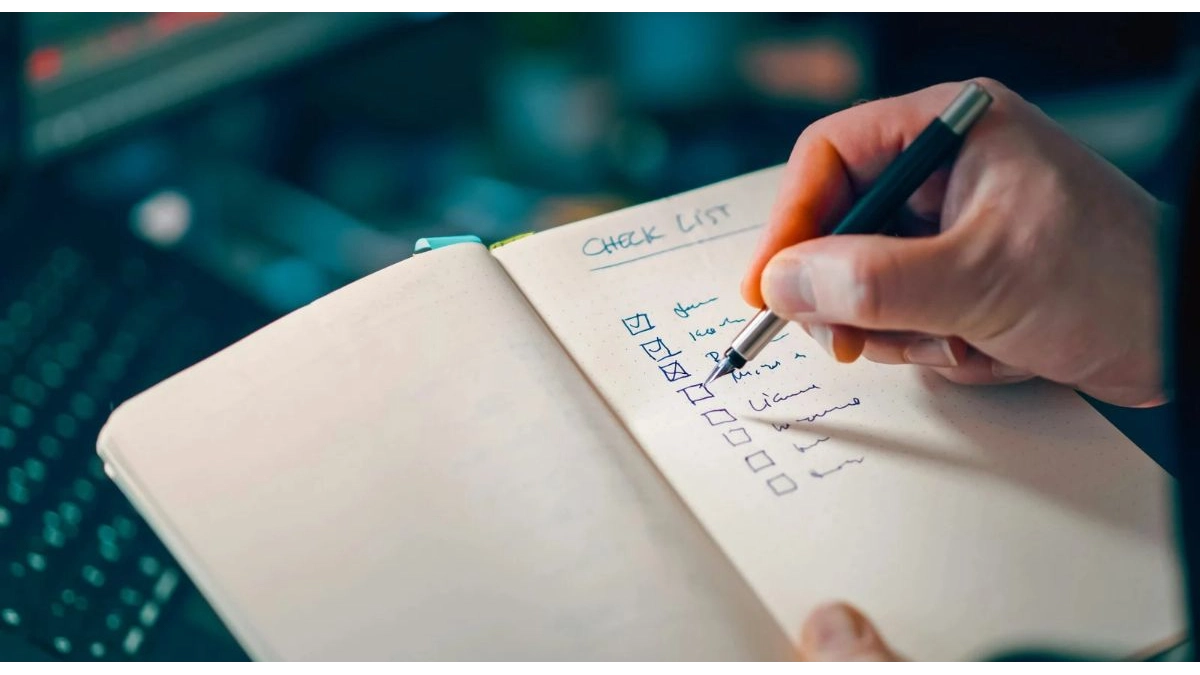
Waiting until you “feel motivated” to tackle challenging projects is a recipe for standing still. Motivation is an emotion that comes and goes unpredictably.
┌────────────────────────────────────────────────────────┐
│ The Procrastination Trap:                              │
│ Wait for Motivation ──> Do Nothing ──> Feel Guilty     │
└────────────────────────────────────────────────────────┘
┌────────────────────────────────────────────────────────┐
│ The Action Cycle:                                      │
│ Take Small Action ──> See Progress ──> Feel Motivated  │
└────────────────────────────────────────────────────────┘
If you rely entirely on feeling inspired, you will put off important goals, workouts, and life decisions indefinitely.
Action creates motivation, not the other way around. Once you take the first small step, momentum kicks in and the task becomes much easier to finish. Author Mel Robbins popularized the 5 Second Rule to break through this specific mental resistance by counting down and acting immediately.
When facing a tough project, apply the two-minute rule. Commit to working on the task for just two short minutes without worrying about the end result.
Open the blank document, put on your workout shoes, or write down the first step in a physical notebook. Starting small removes mental friction and builds natural momentum.
7. Keeping Your Financial Life on Autopilot

Ignoring your daily bank transactions and monthly subscriptions creates constant, background financial anxiety. Many men avoid looking at their financial accounts because they fear facing poor spending choices.
Unchecked spending on forgotten app subscriptions, daily takeaway meals, and impulse purchases quietly drains wealth over time.
Key Takeaway: Financial control comes from consistent visibility, not from ignoring your bank statements until an emergency happens.
┌─────────────────────────────────────────────────────────┐
│              WEEKLY 10-MINUTE MONEY CHECK               │
├─────────────────────────┬───────────────────────────────┤
│ Review Unused Apps      │ Cancel forgotten services     │
│ Track Daily Outflow     │ Catch unexpected bank fees    │
│ Check Savings Goals     │ Keep investments on track     │
└─────────────────────────┴───────────────────────────────┘
Replacing financial guesswork with clear daily awareness reduces stress and frees up capital for long-term investments.
Set aside ten minutes every Sunday evening to review your bank statements and track your weekly expenses.
Use straightforward financial management tools like Rocket Money to spot unused subscriptions or YNAB to set up clear monthly spending targets. Knowing your exact financial numbers gives you confidence and control over your future.
Conclusion
Upgrading your life does not require a complete overhaul of everything you do overnight. Focus instead on subtracting the small, negative behaviors that quietly drain your daily focus, health, and finances.
Eliminating even two or three of these habits to quit for men will immediately free up energy for things that actually matter to you.
Pick just one habit from this list to drop over the next seven days. Replace that bad routine with a simple, positive alternative, and build your momentum from there. Over time, these small individual fixes add up to remarkable personal growth.

Author: Brett Calloway
Brett Calloway is the lead writer at MenCraftCo, where he has written the site's outfit guides since mid-2023. He helps men look sharp without overthinking it, with clear outfit formulas, real-life looks for work, weekends and big occasions, and straight advice you can wear the next morning.