

Closet full of decent clothes can still produce bad outfits when your morning routine relies on sheer willpower. We all want to look sharp, but when you are staring at a disorganized wardrobe at 7:00 AM, the brain naturally defaults to the path of least resistance: the same tired jeans and a wrinkled hoodie.
This lack of discipline is not a character flaw. It is simply decision fatigue. If getting dressed feels like solving a complex math problem every day, you will eventually give up.
The secret to how to dress better for men is not forcing yourself to try harder. It is building a streamlined, high-quality style system that removes the friction entirely, making your brain actually prefer reaching for a well-fitted, structured outfit.
Mixing Casual and Formal Pieces Without a Plan Causes Decision Fatigue

Discipline fails when your closet is a minefield of conflicting dress codes. A sharp tailored blazer hanging next to athletic shorts forces your brain to make too many micro-decisions.
When you mix vastly different formalities without a clear plan, nothing seems to match. This visual friction is exactly why men abandon their style goals and grab whatever feels easiest.
To fix this, group your wardrobe by lifestyle function. Keep your smart casual pieces separate from weekend loungewear. When similar items live together, your brain processes the options much faster.
A Trusted Trousers and Knitwear Uniform Requires Zero Morning Willpower
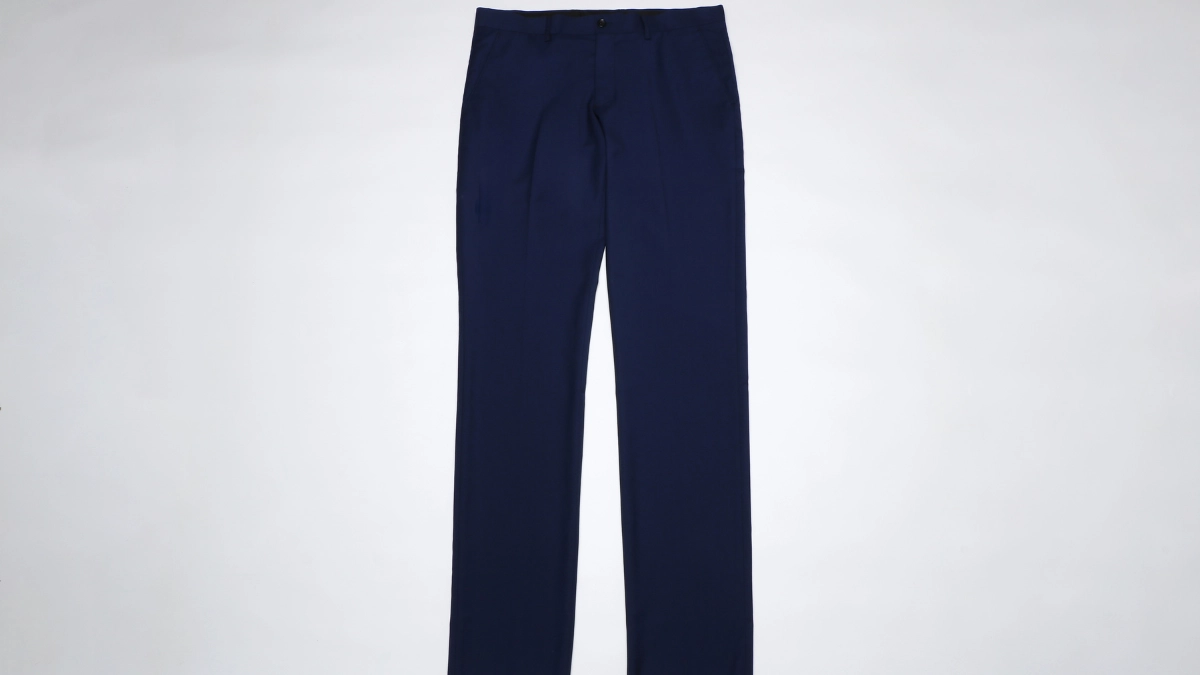
Willpower is a finite resource. A personal uniform removes the need to constantly invent new combinations from scratch.
When you know exactly how a specific mid-rise chino interacts with a specific Oxford shirt, dressing well becomes automatic. Your brain begins to crave the routine because it guarantees a strong result with zero stress.
Formula: Mid-rise straight chinos + heavyweight cotton t-shirt + unstructured chore coat + leather loafers
This works because the structured coat adds shape, while the chinos and loafers balance the casual nature of the t-shirt. It is comfortable enough for weekend coffee but sharp enough for a casual office environment.
| Occasion | Core Pieces | Why It Works |
| Office Days | Oxford shirt, tailored wool trousers, loafers | Balances professional expectations with absolute physical comfort. |
| Weekend Errands | Heavy T-shirt, straight-leg denim, suede sneakers | Provides structure without looking like you tried too hard. |
| Dinner Out | Fine-gauge crewneck, dark denim, leather boots | Darker tonal layers create a clean, masculine silhouette instantly. |
Fit note: A slight taper from the knee down prevents your trousers from swallowing your shoes, maintaining a clean visual line.
Tailoring Your Trouser Hem Makes Footwear Selection Automatic
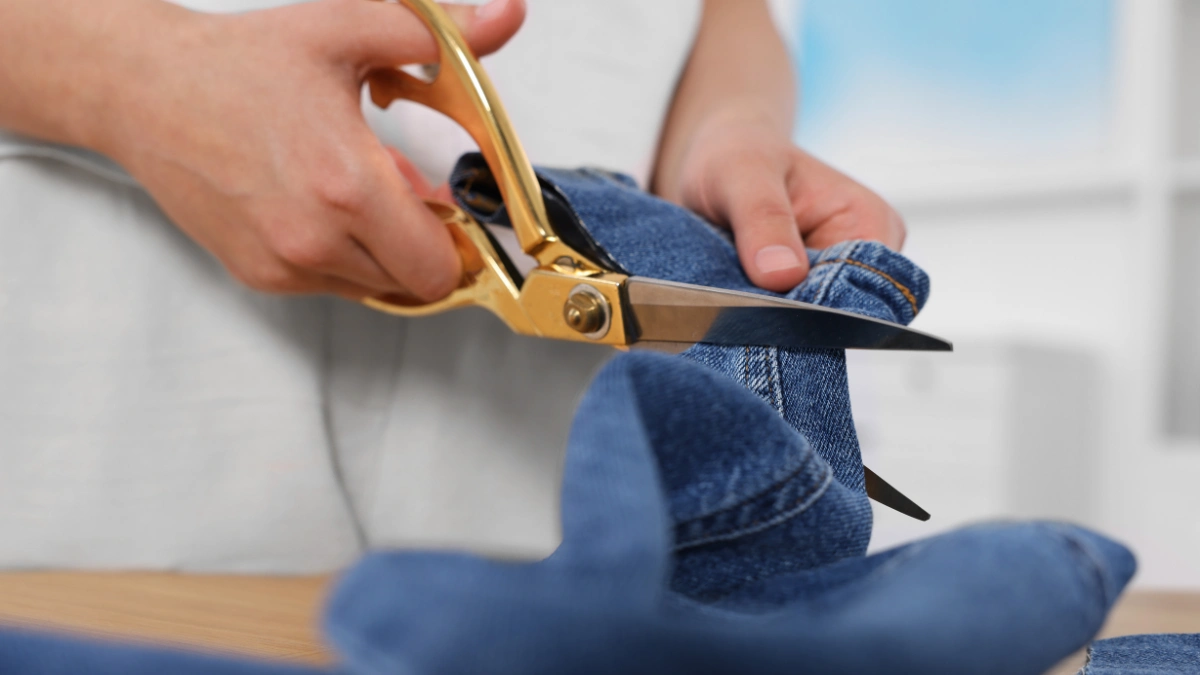
A major reason getting dressed feels hard is dealing with trousers that sit awkwardly on your shoes. If your jeans pool heavily around your ankles, every shoe choice feels slightly wrong.
When your trousers are hemmed to a slight or no break, they work beautifully with almost any footwear. This small act of discipline at the tailor saves hundreds of hours of daily frustration.
| Garment Area | What to Look For | Why It Works |
| Trouser Hem | Rests cleanly on the shoe with minimal folding. | Prevents a sloppy silhouette and highlights your footwear choices. |
| Shoulder Seam | Sits exactly where your natural shoulder ends. | Prevents the jacket or shirt from looking borrowed or oversized. |
| Shirt Length | Ends near mid-fly when worn untucked. | Keeps the legs looking proportionate to the torso. |
Pre-Staging Your Outerwear and Footwear Stops Lazy Mornings

Your brain wants immediate rewards and minimal effort. If finding a matching belt and clean boots takes ten minutes, you will likely give up and wear running shoes.
Set up your outfit the night before. Check the weather, pull out the exact jacket, and place the shoes by the door.
This small upfront investment of energy makes choosing sharp men’s everyday outfits the absolute path of least resistance.
Buying Heavyweight Fabrics Reduces the Need for Constant Ironing
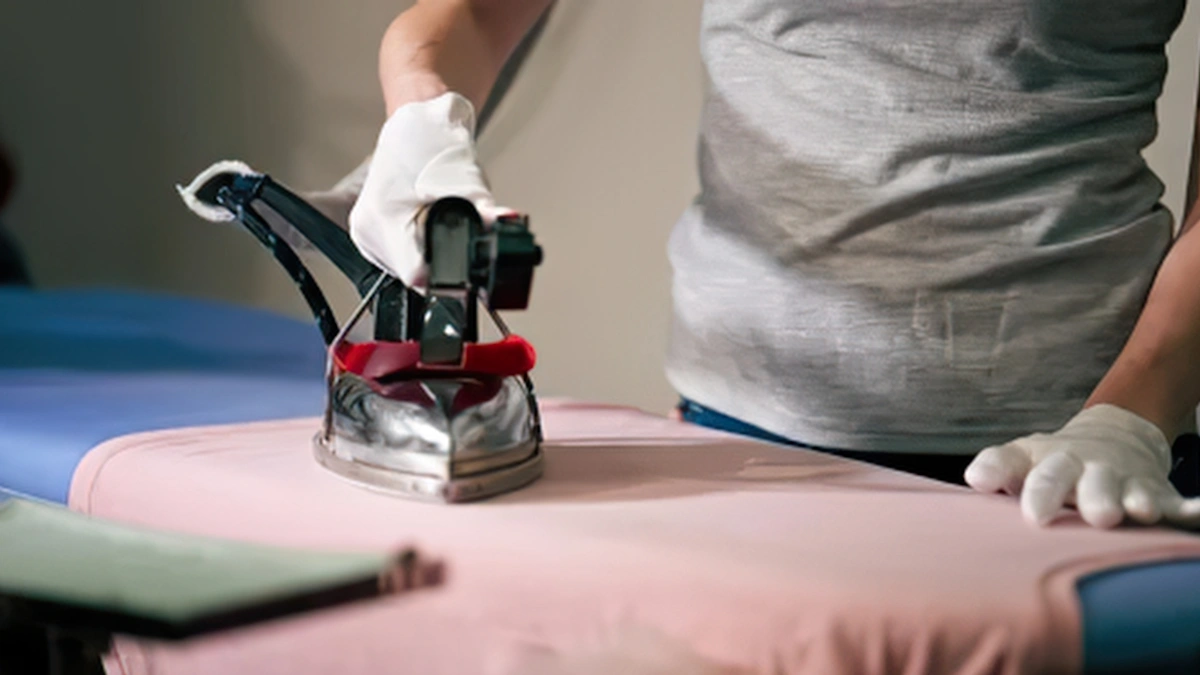
Flimsy fabrics wrinkle easily, cling to the body, and require constant steaming. That kind of high-maintenance clothing drains your daily willpower.
Heavyweight cotton, thick wool, and sturdy denim hold their shape naturally. They drape cleanly over the body without clinging to the waistline, meaning they look good with zero extra effort.
Comfort upgrade: Swapping thin dress shirts for heavier oxford cloth gives you natural structure with far less daily maintenance.
| Instead of | Try |
| Flimsy, thin cotton T-shirts | A heavyweight 6oz cotton shirt |
| Trousers that require constant dry cleaning | Machine-washable cotton-twill chinos |
| Buying five cheap, trendy jackets | Investing in one structured wool overcoat |
Frequently Asked Questions
How can I stick to a personal style routine?
Keep it simple. Limit your daily choices by building a uniform of three to four reliable outfits. When the fit is dialed in, you do not need a massive variety of clothes to look good consistently.
Does dressing well every day take a lot of time?
Only if your closet is disorganized and your clothes fit poorly. By utilizing specific outfit formulas and tailoring your trousers, putting together a strong look takes under three minutes.
What should I focus on first to build better style habits?
Start by removing clothes that do not fit or that you have not worn in six months. A smaller, well-fitting wardrobe is infinitely easier to manage than a large, chaotic one.
Start by fixing the fit of one outfit you already wear regularly. Hem the trousers, match the leathers, and lay the clothes out the night before. Discipline is not about forcing yourself to do things you hate; it is about setting up systems that make good choices incredibly easy. Once your brain experiences how simple it is to look put together, you will never want to go back to the old way of getting dressed.

Author: Brett Calloway
Brett Calloway is the lead writer at MenCraftCo, where he has written the site's outfit guides since mid-2023. He helps men look sharp without overthinking it, with clear outfit formulas, real-life looks for work, weekends and big occasions, and straight advice you can wear the next morning.